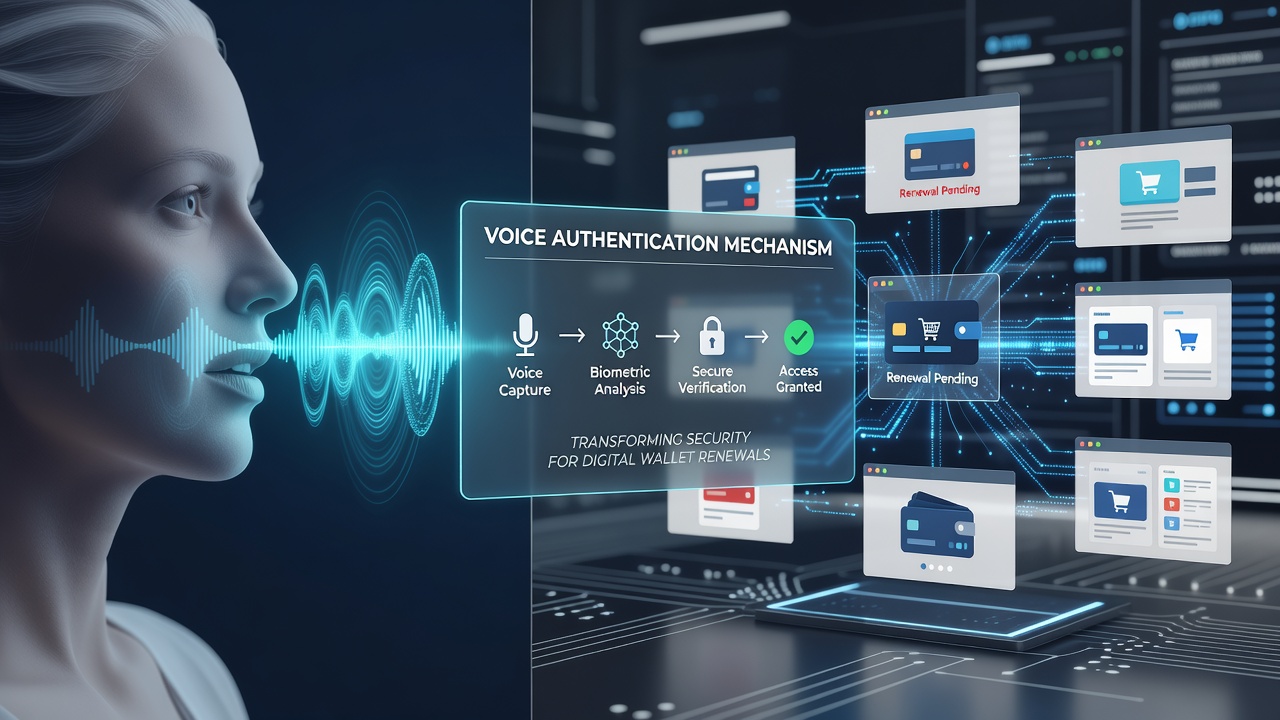
Voice Authentication Mechanisms Transforming Security for Digital Wallet Renewals in Online Markets
Voice authentication has emerged as a key tool in securing digital wallet renewals across online marketplaces where recurring transactions require reliable identity checks, and systems now combine acoustic pattern analysis with machine learning models to verify users during subscription extensions and account updates. These mechanisms analyze vocal characteristics such as pitch, cadence, and spectral features while incorporating liveness detection to distinguish live speech from recordings, which helps platforms maintain continuity in payment cycles without relying solely on passwords or one-time codes.
Core Components of Voice-Based Verification Systems
Modern implementations rely on text-dependent and text-independent modes where users either repeat specific phrases or speak naturally during renewal prompts, and algorithms compare incoming audio against enrolled voiceprints stored in encrypted databases. Liveness detection layers examine attributes like breathing patterns and mouth movement synchronization through integrated device cameras, which reduces risks from deepfake audio attacks that have increased in frequency according to reports from cybersecurity agencies in multiple regions.
Integration with digital wallets occurs at the renewal interface where users receive a voice prompt after entering basic account details, and successful matches trigger the processing of recurring charges while failed attempts initiate secondary verification routes such as app-based approvals. This process operates across mobile applications and web platforms, which allows seamless handling of high-volume subscription renewals in sectors like streaming services and e-commerce memberships.
Security Enhancements in Recurring Payment Flows
Data from industry analyses shows voice authentication reduces unauthorized renewal attempts by capturing unique biometric markers that static credentials cannot replicate, and platforms report lower fraud rates in regions where these systems have been deployed since 2024. Multi-factor combinations pair voice checks with device fingerprinting and behavioral analytics, which creates layered defenses against account takeover scenarios common in online markets.
Standards developed by organizations including the National Institute of Standards and Technology provide testing protocols for biometric accuracy, and vendors must meet thresholds for false acceptance and rejection rates before certification. In practice, these requirements ensure systems perform consistently across diverse accents and environmental conditions, which supports broader adoption among global marketplaces handling cross-border wallet activities.
Implementation Patterns Observed in Online Markets
Marketplaces in Asia-Pacific regions have integrated voice systems into wallet renewal portals to manage high transaction volumes during peak periods, and similar rollouts in European platforms align with data protection frameworks that mandate explicit user consent for biometric data processing. One study revealed that enrollment times average under two minutes when users provide sample recordings during initial wallet setup, which streamlines subsequent renewal events.
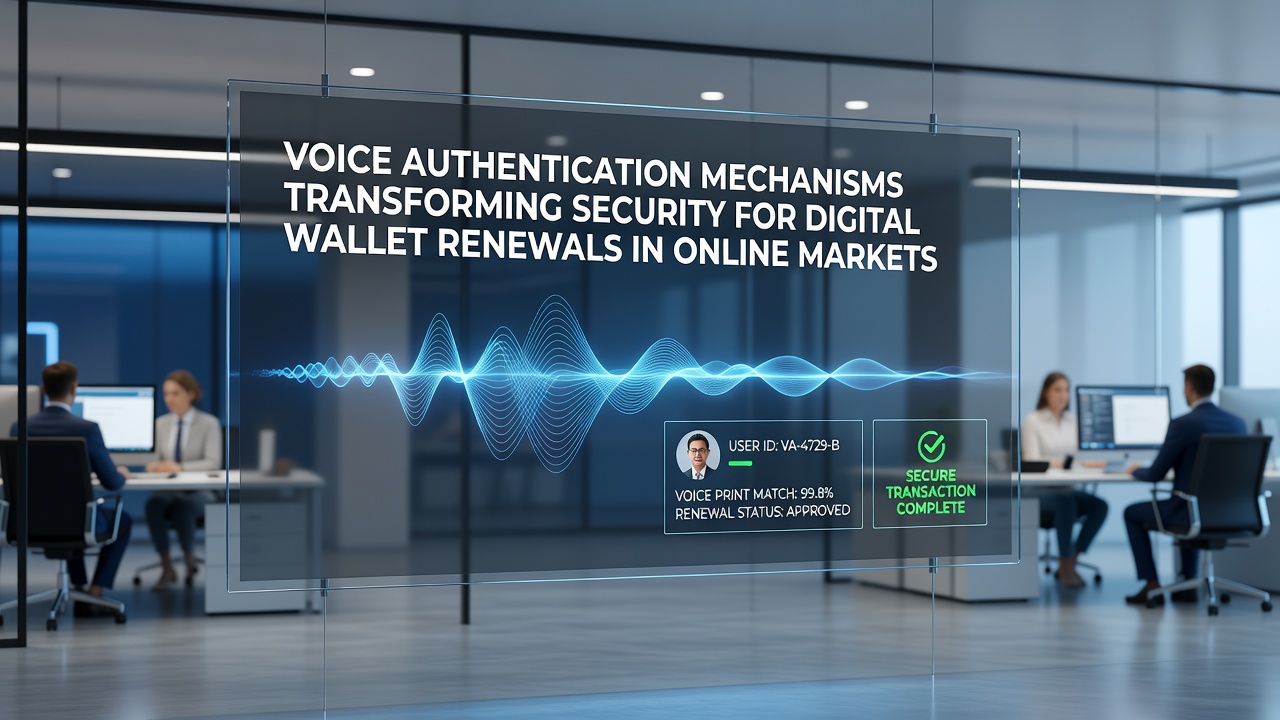
Retailers using these tools during June 2026 updates reported smoother handling of subscription extensions because voice prompts replace lengthy form submissions, and automated systems log verification outcomes for compliance audits. Observers note that integration with existing payment gateways occurs through APIs that maintain end-to-end encryption, which preserves transaction integrity while adding the biometric layer.
Technical Challenges and Mitigation Strategies
Background noise and health-related voice variations present ongoing hurdles for consistent performance, yet adaptive models retrain periodically using anonymized data sets to improve robustness across user populations. Regulatory bodies in Canada and Australia have issued guidelines on biometric retention periods, which encourage deletion of voiceprints after account closure to limit long-term storage risks.
Interoperability between different wallet providers remains a focus area, and industry consortia work on standardized voiceprint formats that facilitate secure transfers when users migrate accounts between platforms. Research indicates these efforts lower barriers for smaller marketplaces seeking to adopt voice authentication without building proprietary infrastructure from scratch.
Future Directions for Biometric Renewal Security
Developments expected beyond June 2026 include tighter coupling of voice systems with decentralized identity frameworks, which could allow users greater control over where their biometric templates reside. Academic papers from European research institutions highlight potential efficiency gains when combining voice data with other modalities such as facial recognition under controlled conditions.
Training programs for platform operators emphasize monitoring for emerging spoofing techniques, and ongoing evaluations track performance metrics across demographic groups to maintain equitable access. Figures from recent deployments reveal continued expansion into additional market segments where digital wallets manage periodic billing cycles.
Conclusion
Voice authentication mechanisms continue to reshape security practices for digital wallet renewals by delivering biometric checks that integrate directly into existing transaction flows, and evidence from deployed systems demonstrates measurable improvements in fraud prevention alongside user convenience. Ongoing refinements in detection algorithms and regulatory alignment support wider implementation across online markets, which positions these technologies as stable components in recurring payment infrastructures.