
Unified Verification Frameworks Supporting Reliable Fund Movements in E-Commerce Platforms
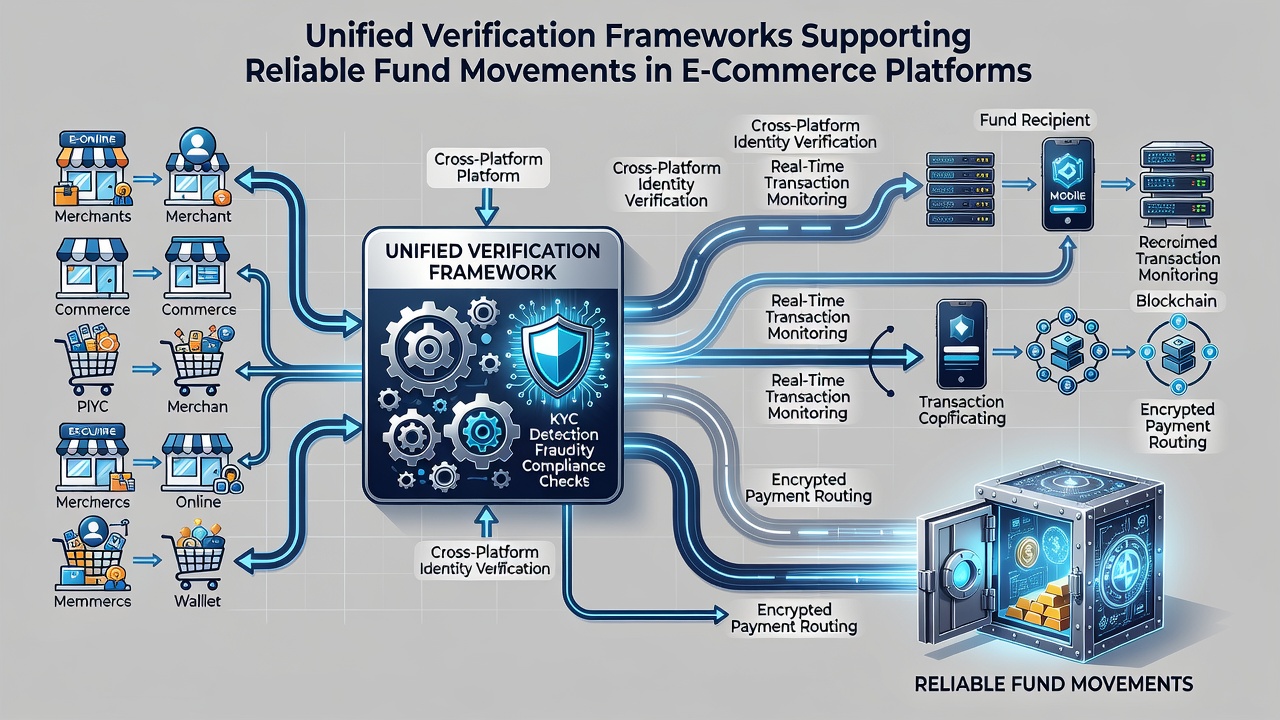
Unified verification frameworks combine multiple authentication layers into single coordinated systems that support consistent fund movements across e-commerce platforms, and these structures integrate identity checks, transaction monitoring plus regulatory compliance tools while reducing friction for merchants and buyers alike. Observers note that such frameworks address fragmentation in payment security by creating shared protocols that platforms can adopt without building isolated solutions from scratch.
Core Components of These Frameworks
At the foundation sit standardized identity verification modules that pull data from government databases, credit bureaus and biometric sources, and these modules feed into real-time risk scoring engines that evaluate each transaction based on device fingerprints, behavioral patterns plus historical account activity. Researchers at institutions like the European Central Bank have documented how unified systems synchronize these elements through application programming interfaces that allow seamless data exchange between banks, payment processors and e-commerce sites, while compliance layers automatically flag potential issues under anti-money laundering rules without halting legitimate purchases.
Transaction validation occurs through layered protocols that include device authentication, address verification and dynamic one-time codes, yet the unification means a single dashboard can oversee all these steps across different payment methods including cards, bank transfers and digital wallets. Data from industry reports shows that platforms implementing these frameworks experience fewer declined transactions because verification decisions draw from broader datasets rather than narrow rule sets.
Implementation Across Global Retail Networks
E-commerce operators in North America, Europe and Asia-Pacific regions have rolled out unified frameworks at varying scales since 2023, and by August 2026 several major platforms reported expanded adoption following regulatory updates from bodies such as the Australian Securities and Investments Commission that emphasized cross-border data standards. One study revealed that integration timelines shortened when companies used open-source reference architectures that predefined how verification services connect to existing order management systems.
Merchants often start by mapping their current payment flows to identify duplication in checks, then layer unified protocols on top to consolidate those steps into fewer calls, and this approach cuts processing times while maintaining audit trails that regulators require. Those who've studied adoption patterns note that mid-sized retailers benefit most because they lack resources for custom security builds yet face the same fraud risks as larger competitors.
Impact on Fund Movement Reliability
Reliable fund movements depend on verification that happens fast enough to keep checkout conversion rates high, and unified frameworks achieve this by running parallel checks instead of sequential ones, so a transaction might complete identity confirmation and risk assessment in under two seconds. Figures reveal that platforms using these systems report up to thirty percent fewer chargebacks in the twelve months after deployment because disputed payments carry clearer documentation of each verification step.
Cross-border sales gain particular advantages since frameworks can apply region-specific rules automatically, for instance pulling in EU strong customer authentication requirements while applying lighter checks for domestic purchases, and this adaptability supports consistent performance even when regulatory landscapes shift. Academic papers from university research groups have examined how shared verification databases reduce duplicate customer onboarding efforts across multiple merchant sites.
Technical Integration Challenges and Solutions
Legacy systems present initial hurdles because older e-commerce software may lack modern API endpoints needed for framework connectivity, yet middleware adapters now bridge these gaps without full platform replacements, and case examples show retailers completing migrations within six months when phased rollouts prioritize high-volume payment channels first. Security teams coordinate with payment providers to test end-to-end flows under simulated load conditions before full activation.
Conclusion
Unified verification frameworks continue to evolve as e-commerce expands into new markets and payment types, with ongoing refinements expected through 2027 that focus on machine learning enhancements for risk prediction. Platforms that adopt these coordinated approaches position themselves for steadier fund movements supported by comprehensive yet efficient security measures.