
Token Synchronization Protocols Reshaping Periodic Vendor Settlements Across Global Retail Chains
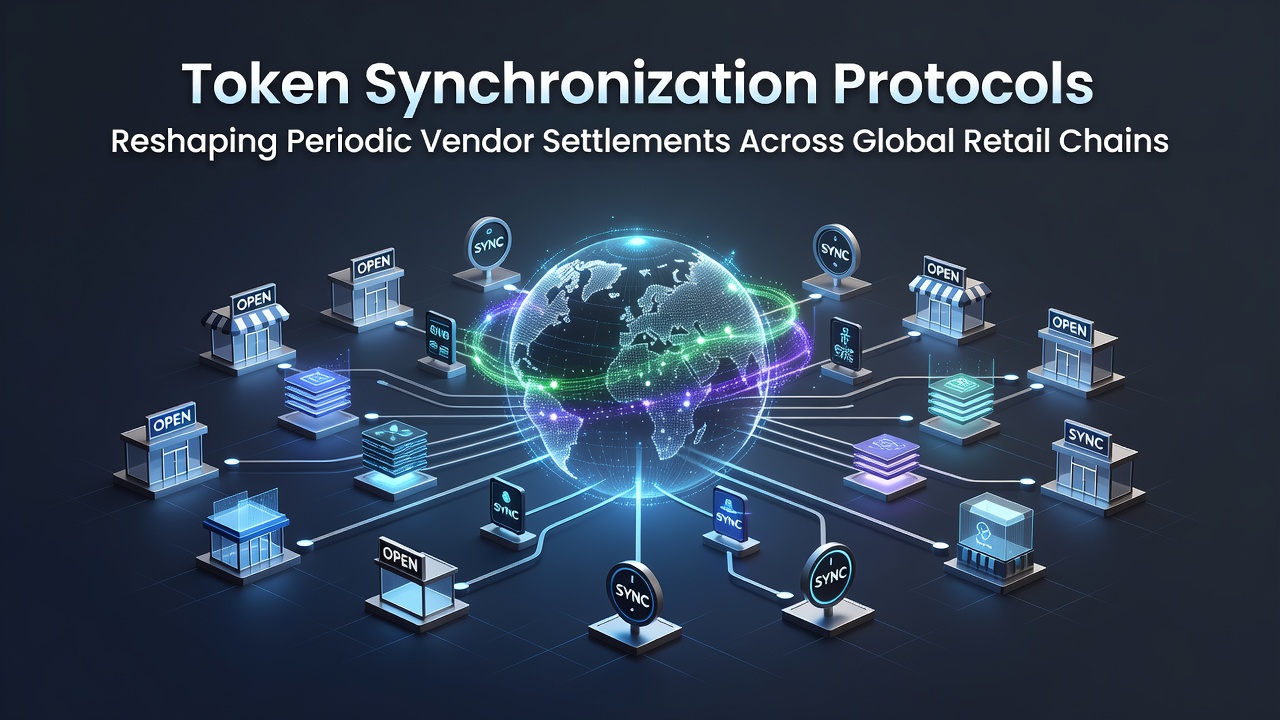
Token synchronization protocols coordinate digital tokens across distributed ledgers to align payment flows between retailers and their vendors on scheduled cycles, and these systems handle periodic settlements by matching invoice data with tokenized value transfers in real time. Retail chains operating across multiple continents rely on such mechanisms to manage thousands of supplier accounts where payment terms range from weekly to quarterly cycles, while synchronization ensures that each token represents verified obligations without requiring repeated manual reconciliation.
Global retail operations generate massive volumes of vendor invoices each month, and synchronization protocols reduce settlement delays by validating token states across participating nodes before funds move. Data from industry reports shows that chains with multi-country footprints process settlements involving over 50,000 vendors on average, yet traditional batch processing often leaves timing mismatches that create working capital gaps for suppliers.
Core Mechanics of Token Synchronization
These protocols operate through consensus mechanisms that update token ledgers whenever a retail purchase order converts into a payable obligation, and participating banks or clearing houses receive synchronized copies of the updated token status. Each token carries metadata that includes invoice identifiers, due dates, and currency equivalents, allowing automatic netting across different settlement windows without exposing full transaction details to every network participant.
Researchers at academic institutions have documented how synchronization layers prevent double-spending of tokenized commitments, and one study from a Canadian university examined implementations where retail platforms reduced settlement disputes by 40 percent after adopting the approach. Nodes distributed across regions exchange state updates at fixed intervals, which keeps token values consistent even when vendors and retailers operate in separate time zones.
Applications Across International Retail Networks
Major chains with operations spanning Europe, Asia, and the Americas integrate synchronization protocols into existing enterprise resource planning systems, and this integration allows vendors to receive tokenized credits that convert to local currency settlements on predetermined dates. What's notable is that synchronization occurs at the protocol level rather than through centralized clearing houses alone, which distributes validation tasks and limits single points of failure during high-volume periods such as post-holiday restocking cycles.
Observers note that synchronization also supports compliance requirements by embedding regulatory flags within each token, and European Central Bank analyses of tokenized payment instruments highlight how such metadata assists with cross-border reporting obligations. Retail groups in Australia have piloted similar frameworks for fresh produce suppliers, where settlement cycles align with harvest schedules rather than fixed calendar dates, and the protocols adjust token release timing accordingly.
Recent Developments Through Mid-2026
In June 2026 several standards organizations convened to review interoperability specifications for token synchronization across different ledger types, and participants reviewed test results from multi-bank trials involving retail procurement platforms. Those sessions produced updated guidelines that emphasize backward compatibility with legacy accounts payable systems while adding support for programmable conditions such as early-payment discounts triggered by token status changes.
Industry organizations tracking payment infrastructure report that adoption rates among the top 100 global retailers reached 28 percent by early 2026, with the strongest uptake in segments handling perishable goods and electronics components. Synchronization reduces the average time between invoice approval and vendor receipt of funds from 14 days to under 48 hours in documented cases, according to aggregated figures shared by trade groups.
Technical and Operational Considerations
Implementation requires retailers and vendors to agree on token schema definitions before live deployment, and these definitions specify which fields remain visible to which parties during the synchronization process. Security models rely on cryptographic commitments rather than full data replication, which limits exposure while still allowing independent verification of settlement status by authorized nodes.
But here's the thing: synchronization protocols must accommodate varying regulatory environments, and teams coordinating rollouts often map local tax and disclosure rules into the token metadata layer. Retail chains that manage vendor relationships across the United Kingdom, Singapore, and Brazil have published case summaries showing how these mappings prevent compliance conflicts during periodic settlements.
Conclusion
Token synchronization protocols continue to integrate into the settlement infrastructure of global retail chains by providing consistent state updates across distributed participants, and the approach supports both operational efficiency adn regulatory alignment without replacing existing banking relationships. Continued refinement of interoperability standards positions these systems to handle increasing volumes as supply chains expand into additional markets.