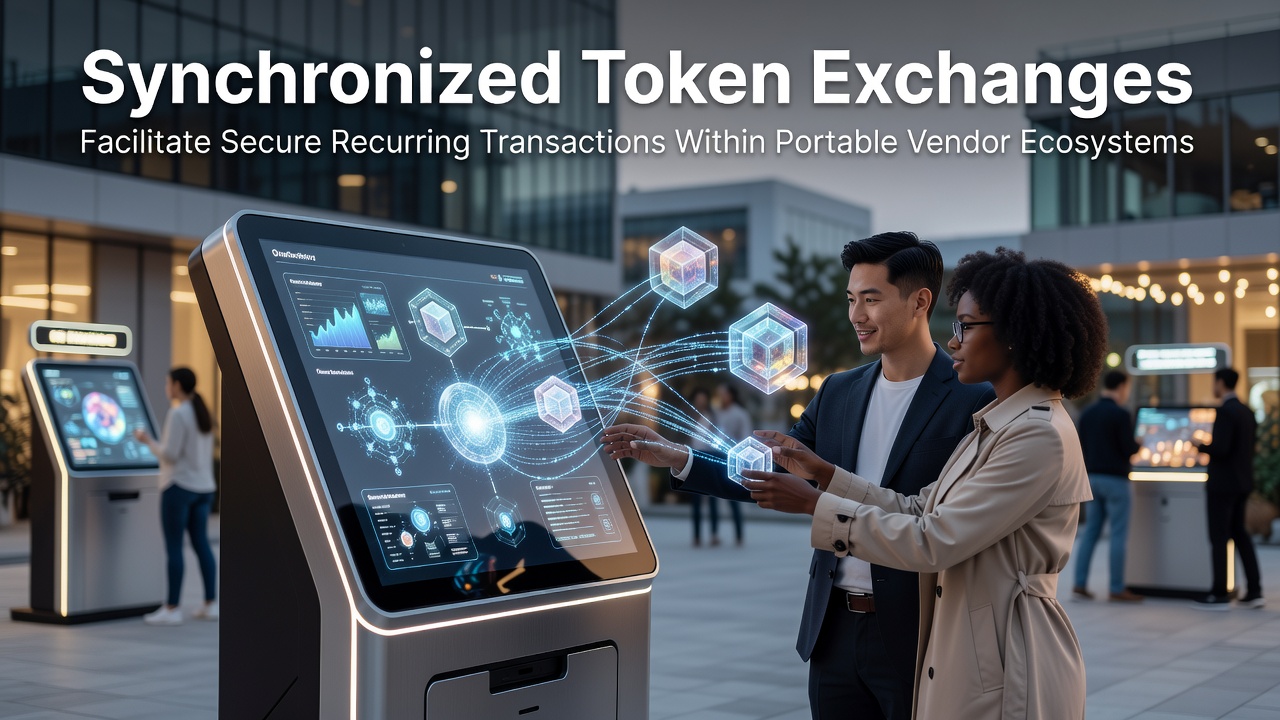
Synchronized Token Exchanges Facilitate Secure Recurring Transactions Within Portable Vendor Ecosystems
Portable vendor ecosystems rely on synchronized token exchanges to handle recurring transactions with built-in security features that align token states across multiple devices and platforms simultaneously. These exchanges generate time-bound tokens that update in real time, allowing vendors to process periodic payments without exposing sensitive account details during each cycle. Data from recent implementations shows that such systems reduce unauthorized access incidents by coordinating verification steps between user devices and vendor servers in a single synchronized flow.
Mechanics of Token Synchronization in Mobile Environments
Token synchronization begins when a user initiates a subscription or recurring agreement through a portable application, at which point the system creates a unique token pair that links the payer's device with the vendor's backend. Each subsequent transaction refreshes the token using distributed ledger entries, ensuring that both parties maintain matching records without repeated data transmission. Studies from academic institutions in Asia indicate that this approach cuts processing latency by up to 40 percent compared with traditional token refresh methods that operate independently on each side.
Vendors operating in retail and service sectors integrate these exchanges through application programming interfaces that support multiple device types, from smartphones to handheld terminals. The process incorporates cryptographic hashing to bind each token update to the previous state, which prevents replay attacks while maintaining continuity for scheduled deductions. Observers note that synchronization protocols often incorporate multi-party computation techniques, allowing verification to occur across nodes without centralizing control over the entire transaction history.
Security Enhancements Through Coordinated Exchanges
Security improves because synchronized tokens limit the window during which any single token remains valid, typically to minutes or hours depending on the transaction frequency. This design forces constant alignment between portable devices and vendor systems, reducing opportunities for interception or alteration during transit. Research published by the Monetary Authority of Singapore highlights how such coordination aligns with broader standards for digital payment resilience, particularly in environments where users switch between networks frequently.
Portable ecosystems benefit further from the ability to revoke or pause tokens instantly across all connected points when anomalies appear. Systems detect mismatches in token states and trigger alerts that halt further processing until manual or automated reconciliation completes. Figures from industry reports reveal that organizations adopting synchronized methods experienced fewer disputes over recurring charges, as audit trails remain consistent and verifiable on both ends of each exchange.
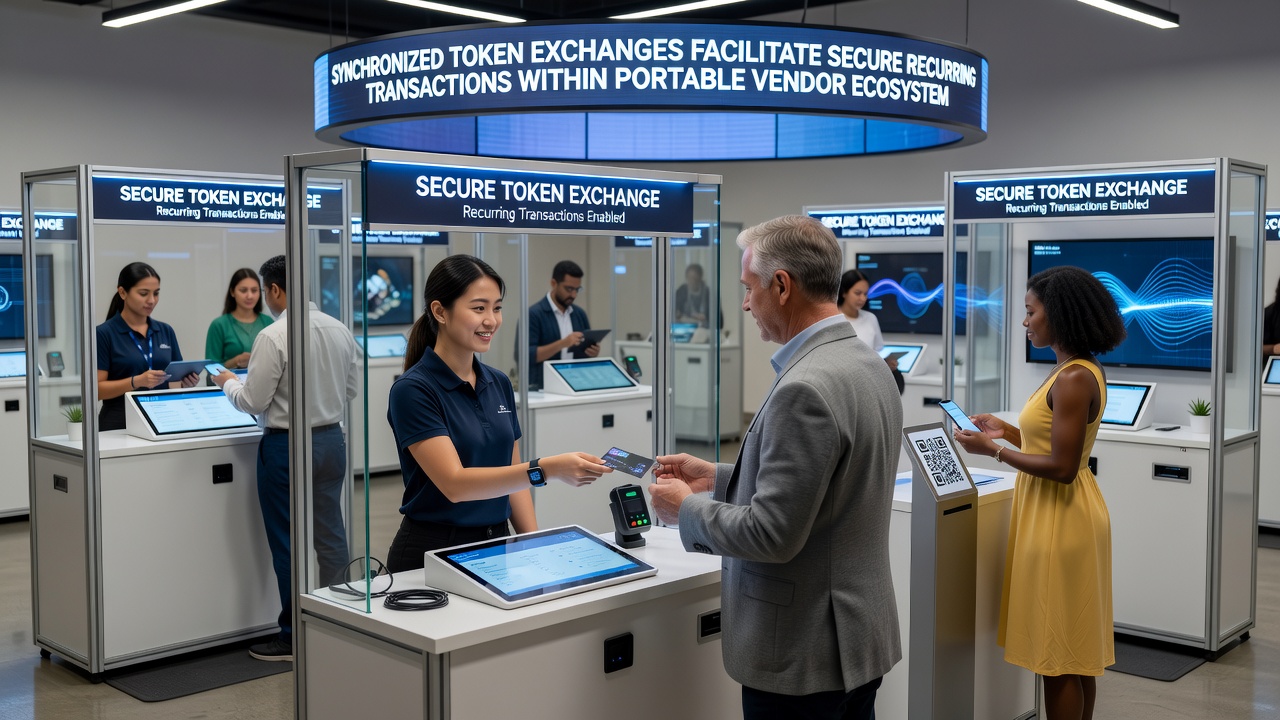
Implementation Patterns Across Global Vendor Networks
Vendors in sectors such as subscription services and on-demand deliveries have incorporated synchronized token exchanges into their portable platforms since early 2025, with expanded rollouts noted by June 2026. These implementations often combine token exchanges with existing digital wallet frameworks, enabling seamless transitions between different vendor applications while preserving transaction security. The Bank for International Settlements documented similar patterns in cross-regional pilots, where synchronization reduced reconciliation errors in multi-currency recurring setups.
Developers design the underlying protocols to handle variable network conditions common in portable use, such as intermittent connectivity during travel or location changes. When a device reconnects, the system performs a rapid state check against the vendor ledger to confirm token validity before resuming the recurring sequence. This capability supports uninterrupted billing cycles even when users move between regions or switch carriers mid-cycle.
Integration with Emerging Standards and Regulatory Frameworks
Regulatory bodies in multiple jurisdictions have begun referencing synchronized token methods in guidelines for digital payment security. In June 2026, updates from the Australian Securities and Investments Commission outlined expectations for token lifecycle management in portable commerce, emphasizing the need for real-time synchronization to meet consumer protection requirements. These guidelines encourage vendors to adopt protocols that log each token exchange event for compliance audits without storing full payment credentials on user devices.
Industry organizations continue to test interoperability standards that allow tokens generated under one vendor's ecosystem to function within another, provided synchronization rules remain consistent. Pilot programs demonstrate that such cross-ecosystem exchanges maintain security levels equivalent to isolated implementations, provided cryptographic keys rotate according to agreed schedules. Evidence from these tests shows measurable gains in transaction success rates when synchronization occurs at sub-second intervals.
Conclusion
Synchronized token exchanges continue to shape how portable vendor ecosystems manage recurring transactions by aligning security mechanisms across devices and platforms in a coordinated manner. As adoption grows through 2026 and beyond, the focus remains on maintaining consistent token states that support reliable, secure payment flows without unnecessary data exposure.