
Silent Transaction Webs: How Mobile Solutions and Cryptocurrency Converge to Protect Subscription Ecosystems
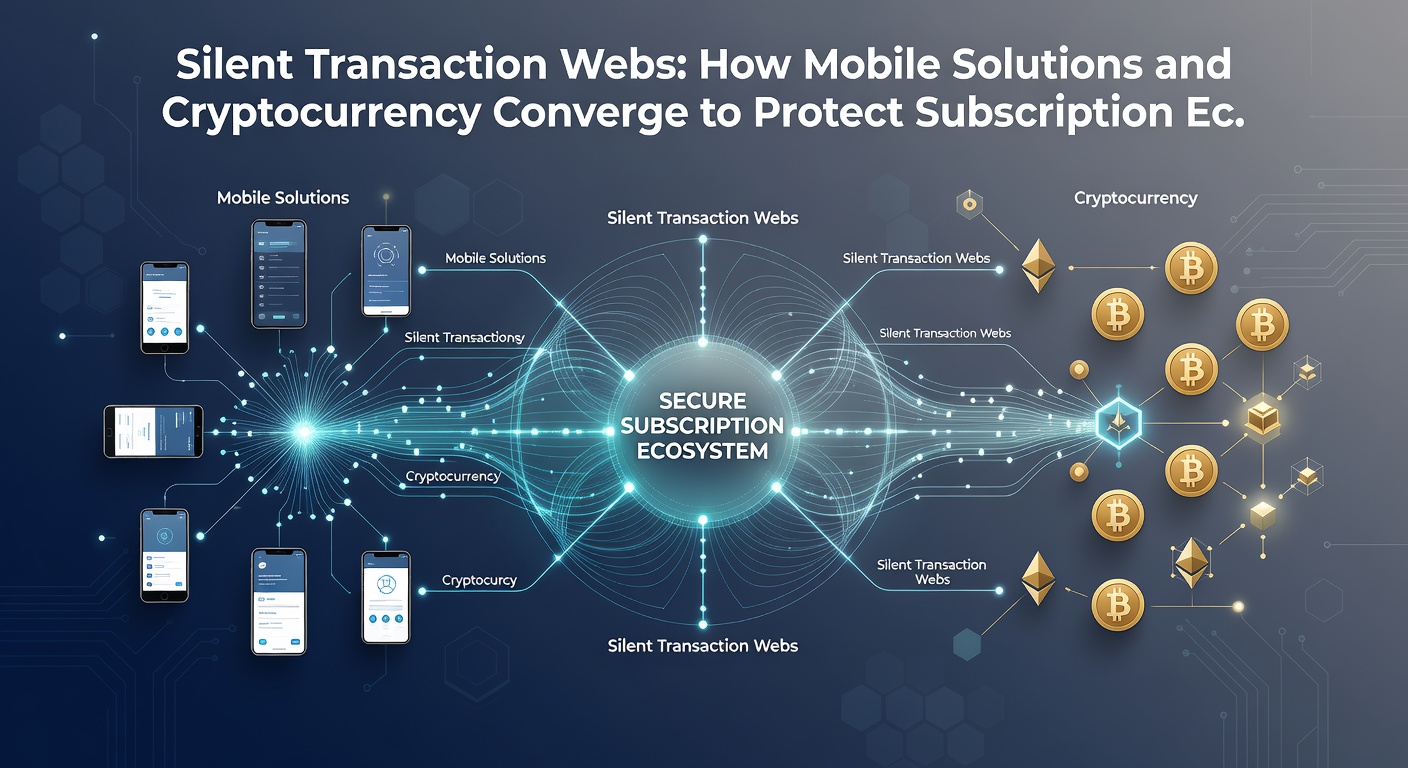
Subscription services have expanded across streaming platforms, software tools and digital marketplaces, creating recurring revenue streams that now depend on seamless yet protected payment flows. Mobile solutions paired with cryptocurrency protocols have formed what observers describe as silent transaction webs, where automated verifications occur without repeated user input while maintaining security layers that reduce fraud exposure. These systems rely on encrypted mobile wallets that connect directly to blockchain networks, allowing charges to process through smart contracts that confirm authorization in the background.
Data from industry reports shows subscription billing volumes grew steadily through 2025, with mobile-initiated crypto payments accounting for an increasing share in regions including North America and parts of Asia. The convergence happens because mobile devices provide always-on connectivity and biometric authentication, while cryptocurrency adds decentralized ledgers that record each renewal without exposing card details. Researchers at academic institutions note that this combination limits chargeback rates compared to traditional card networks, since transaction logs remain immutable once validated on-chain.
Mobile Infrastructure Enabling Background Authorizations
Mobile applications now embed cryptocurrency SDKs that handle recurring debits through token-based approvals rather than repeated card entries. Users grant initial consent via wallet signatures, after which the system executes subsequent charges automatically when subscription periods renew. This approach draws on contactless NFC capabilities alongside app-based triggers, so payments complete even when devices remain locked. Observers note that integration with operating system security features, such as secure enclaves on modern smartphones, further shields private keys during these silent operations.
Service providers have adopted multi-signature requirements in some implementations, requiring both device confirmation and network consensus before funds move. Such setups prove particularly useful for high-volume subscription ecosystems where manual reviews would create delays. Studies conducted by European research centers indicate that mobile-crypto hybrids have lowered failed transaction instances by streamlining verification steps that previously relied on external gateways prone to outages.
Cryptocurrency Protocols Strengthening Subscription Defenses
Blockchain frameworks supply the verification backbone through programmable contracts that enforce renewal conditions without central oversight. When a subscription reaches its renewal date, the contract checks wallet balances, applies agreed rates, and settles transfers across distributed nodes. This process occurs in encrypted channels that prevent interception, addressing vulnerabilities common in legacy recurring billing setups. Figures released in regulatory summaries from the Bank of Canada highlight rising adoption of stablecoin instruments for these automated flows, as they reduce volatility concerns while preserving audit trails.
Privacy-preserving techniques like zero-knowledge proofs allow providers to confirm sufficient funds without revealing exact balances to external parties. Those who have implemented these methods report fewer disputes, since each transaction carries cryptographic proof of user intent established at onboarding. The decentralized nature also distributes risk away from single points of failure, which matters for ecosystems handling millions of micro-renewals daily.
Real-World Integration Patterns Observed in 2026
By May 2026 several major subscription platforms had rolled out hybrid payment layers that combine mobile push notifications with on-chain settlement confirmations. These updates followed pilot programs where users opted into crypto-linked subscriptions and experienced uninterrupted access across devices. Trade associations tracking digital commerce trends documented shifts away from stored card credentials toward wallet addresses that regenerate periodically for added protection. The result appears in reduced instances of account takeovers, because stolen credentials lose value without corresponding private keys held on user devices.
Cross-border subscriptions benefit especially, since cryptocurrency rails bypass currency conversion fees and intermediary delays that once plagued international renewals. Providers maintain compliance through jurisdictional reporting tools built into the same mobile interfaces, allowing automatic tax calculations alongside each silent charge. Academic analyses from Australian universities have examined these models, finding measurable gains in retention metrics tied directly to payment reliability rather than content preferences alone.
Security Mechanisms Within the Webs
Encryption standards evolve alongside these systems, incorporating hardware-backed keys that activate only under specific conditions such as biometric matches or time-bound windows. Fraud detection algorithms monitor on-chain patterns for anomalies, flagging unusual renewal attempts before settlement completes. Observers point out that the silent aspect stems from background execution, yet every step remains verifiable through public ledgers accessible to authorized parties. This transparency supports regulatory audits without compromising individual transaction privacy when selective disclosure protocols are applied.
Case examples include media services that transitioned portions of their billing to these webs and recorded drops in involuntary churn linked to expired cards or payment declines. The architecture supports fractional renewals as well, splitting charges across multiple crypto assets when users configure preferences accordingly. Data indicates these features have expanded accessibility for users in markets with limited traditional banking infrastructure.
Conclusion
Silent transaction webs represent a structural shift where mobile capabilities and cryptocurrency mechanics operate in tandem to secure recurring subscription relationships. The combination delivers automated processing alongside verifiable security that addresses longstanding pain points in digital billing. As adoption continues, these frameworks provide measurable improvements in transaction success rates and ecosystem resilience across varied service categories.