
Retailers Test Biometric-Linked App Tools for Managing Automated Vendor Deductions Across Borderless Commerce Networks
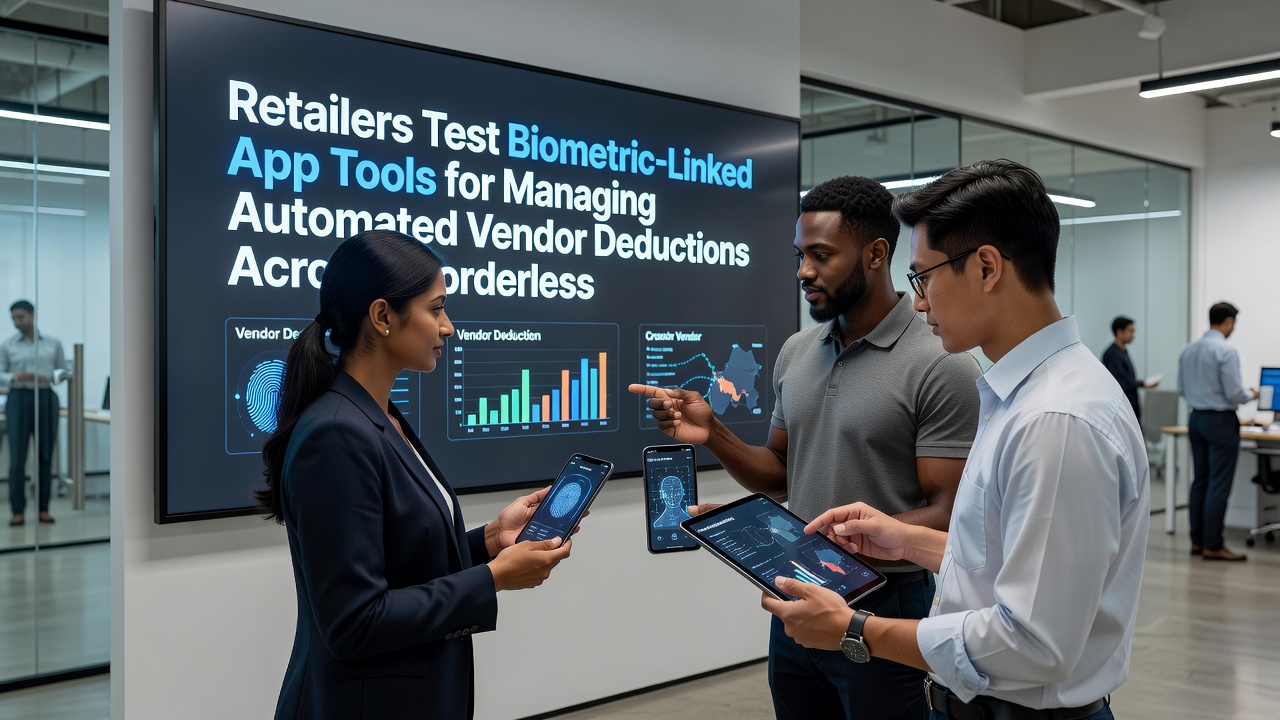
Retail chains have begun piloting biometric-linked applications that streamline automated vendor deductions, and these tools connect directly to payment systems spanning multiple countries. The approach relies on fingerprint or facial recognition to authorize recurring adjustments in supplier accounts, which reduces manual processing errors that often arise during international invoice reconciliation. Data from recent industry trials shows that participating retailers report faster settlement cycles when biometric verification replaces traditional password entries for each deduction batch.
Core Mechanics of Biometric Integration
Developers design these applications to link biometric data with enterprise resource planning platforms, so that once a vendor agreement is recorded the system can trigger deductions automatically upon delivery confirmation. Observers note that the apps pull transaction details from borderless networks where suppliers operate in different regulatory zones, and the biometric step adds a layer that confirms the retailer's internal approval without requiring repeated logins. Studies from payment technology consortia indicate that such integrations cut processing time by up to thirty percent in test environments conducted through mid-2026.
Handling Cross-Border Deduction Flows
Borderless commerce networks introduce variables like currency conversion rates and local tax withholdings that automated tools must accommodate in real time. Retailers testing the biometric apps report that the software adjusts deduction amounts based on live exchange data pulled from connected financial gateways, while the biometric check ensures only authorized personnel can override or approve those adjustments. Figures released by the European Commission in early 2026 highlight how digital identity standards help harmonize these processes across member states and trading partners outside the bloc.
Security and Compliance Considerations
Security protocols within the tested applications store biometric templates locally on retailer devices rather than transmitting raw images across networks, which aligns with emerging data protection requirements in multiple jurisdictions. Researchers at institutions tracking digital commerce have documented that this storage method lowers exposure risks during vendor audits, especially when deductions involve suppliers in regions with differing privacy laws. A report issued by the Australian Competition and Consumer Commission outlines similar verification practices that support automated financial adjustments without compromising user identity details.
Implementation Patterns Observed in 2026
Through July 2026 several mid-sized retail groups have expanded their pilot programs to include suppliers across North America, Europe, and parts of Asia, and the biometric apps coordinate deduction schedules tied to delivery timestamps recorded in shared logistics ledgers. Those involved in the trials describe how facial recognition at the point of invoice approval replaces multi-factor codes that previously delayed batches during peak trading periods. Industry data compiled by the National Retail Federation shows measurable declines in disputed deduction amounts when biometric confirmation is required before funds move between accounts.
Challenges Encountered During Testing
Network latency in remote supplier locations sometimes interrupts the biometric verification step, prompting developers to add offline caching features that queue deductions until connectivity resumes and the identity check completes. Observers tracking these projects note that compatibility issues arise when vendors use legacy accounting systems, yet middleware bridges developed for the apps allow seamless data exchange without forcing full platform replacements. Evidence gathered from ongoing deployments indicates that training programs for retail staff focus on quick biometric enrollment to maintain workflow continuity across time zones.
Future Scaling Factors
Expansion beyond initial test groups depends on standardized biometric formats that multiple vendors can accept without custom integrations, and regulatory bodies in Canada have begun reviewing guidelines that would support wider adoption of these tools for cross-border settlements. Retailers continue to monitor error rates tied to biometric mismatches, which remain low according to internal metrics shared in trade publications. What's interesting is how the combination of automated rules and identity verification creates traceable audit trails that satisfy both internal finance teams and external auditors examining international vendor accounts.
Conclusion
The testing phase for biometric-linked applications in vendor deduction management continues to generate operational data that informs refinements across borderless commerce setups. Retail participants gain clearer visibility into deduction accuracy while suppliers receive consistent settlement timing based on verified approvals. As more networks adopt these methods the emphasis remains on maintaining secure, efficient flows that adapt to varying international requirements without introducing new points of friction in daily transactions.