
New Payment Technologies
Payment systems continue to evolve through integration of real-time processing capabilities and enhanced security protocols that support faster transaction settlement across domestic and international networks, while regulatory frameworks adapt to accommodate these shifts in infrastructure. Data from the Federal Reserve shows that real-time payment volumes reached record levels by mid-2025 with adoption accelerating into 2026 as businesses and consumers adjust to immediate fund availability rather than traditional batch processing cycles.
Instant Payment Infrastructure Expansion
Central banks and private sector operators have rolled out enhanced instant payment rails that operate twenty-four hours a day and settle obligations within seconds rather than days, and this infrastructure supports payroll disbursements along with merchant settlements in a single unified platform. Observers note that systems such as the FedNow Service in the United States and similar platforms in Europe and Asia have expanded their reach, allowing smaller financial institutions to participate without building proprietary networks from scratch. Research indicates transaction volumes grew steadily through 2025 while analysts project further increases by August 2026 as interoperability standards mature between competing rails.
Embedded finance models allow non-bank platforms to offer payment services directly within their applications through partnerships with licensed providers, and this approach reduces friction for users who complete purchases without leaving the original interface. Studies from the Bank for International Settlements reveal that embedded payment features appear across e-commerce, ride-sharing, and subscription-style services where the underlying settlement occurs through established banking channels. Those who track adoption patterns report that the number of such integrations rose sharply in 2025 with projections showing continued growth as application developers seek to capture more value within their ecosystems.
Biometric Authentication and Security Layers
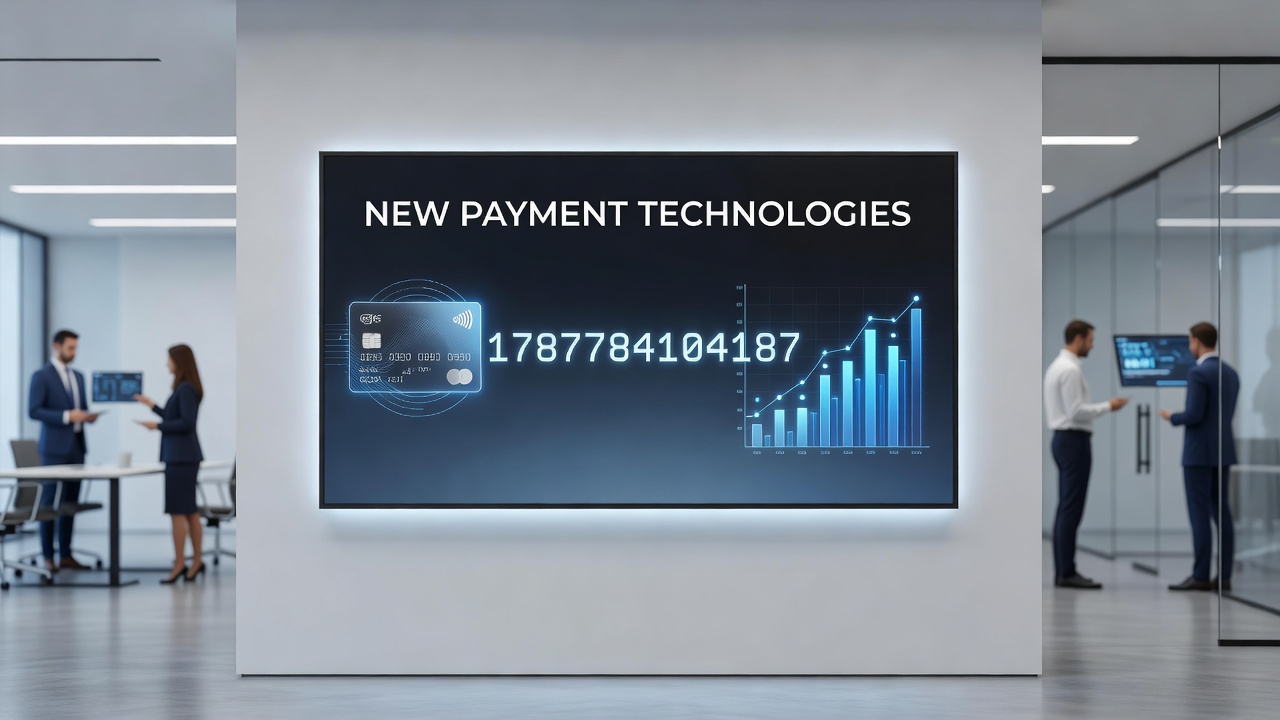
Biometric verification methods now supplement or replace traditional passwords and one-time codes in many consumer payment applications, and fingerprint plus facial recognition technologies appear on mobile devices that authorize transactions without requiring additional user input beyond a glance or touch. Industry reports highlight how these methods lower fraud rates in controlled environments while raising questions about data storage practices and cross-border privacy compliance. Payment processors have incorporated behavioral analytics that monitor typing patterns and device movement to flag anomalies in real time, creating layered defenses that operate alongside regulatory requirements for customer authentication.
Tokenization techniques replace sensitive account details with unique identifiers that limit exposure during transmission, and merchants receive these tokens instead of full card numbers during checkout flows. This practice has become standard across many retail environments following widespread implementation of standards that define how tokens are generated and redeemed. Data shows reduced incidence of large-scale card data breaches in regions where tokenization adoption reached high levels by the start of 2026.
Cross-Border Settlement Improvements
New correspondent banking arrangements and messaging standards have shortened settlement times for international transfers while lowering costs for participants who previously relied on slower legacy channels. The adoption of ISO 20022 messaging formats enables richer data exchange between sending and receiving institutions, and this supports compliance checks without adding significant delays. Figures from regional central banks indicate that average cross-border transaction times dropped noticeably during 2025 with further reductions expected once full network upgrades complete in August 2026.
Central bank digital currency pilots continue in multiple jurisdictions although most remain in testing phases rather than full commercial deployment, and these experiments focus on wholesale settlement between financial institutions before any retail rollout occurs. Researchers document how these projects examine interoperability with existing payment rails to avoid fragmentation that could complicate user experience. Progress varies by region with some programs advancing toward limited live trials while others maintain extended observation periods.
Conclusion
Payment technology development reflects coordinated efforts among regulators, technology providers, and financial institutions that prioritize speed, security, and accessibility within established legal frameworks. Continued expansion of instant rails, biometric tools, and standardized messaging formats shapes how transactions occur across both domestic and international boundaries. Observers expect measurable changes in settlement patterns by August 2026 as additional institutions connect to upgraded systems and users gain broader access to features previously limited to early adopters.