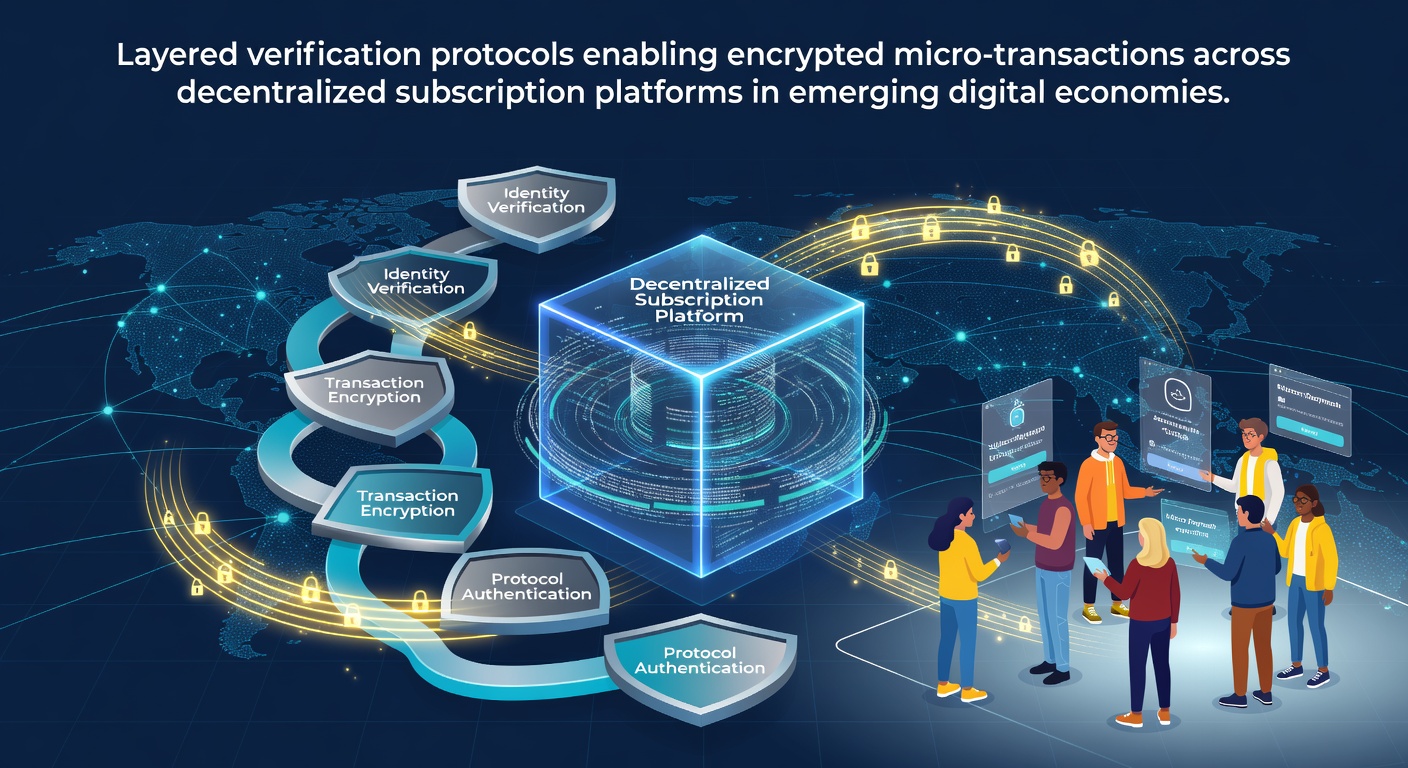
Layered Verification Protocols Power Encrypted Micro-Transactions in Decentralized Subscription Platforms
Layered verification protocols combine multiple authentication stages with encryption techniques to support encrypted micro-transactions on decentralized subscription platforms, and these systems operate across emerging digital economies where mobile connectivity continues to expand rapidly. Observers note that such protocols address the need for secure, low-value recurring payments without relying on centralized financial intermediaries, which often impose high fees or exclude users in regions with limited banking infrastructure.
Developments through June 2026 show increased adoption in parts of sub-Saharan Africa and Southeast Asia, where subscription services for digital content, utility payments, and agricultural supply chains rely on these frameworks. Research from academic institutions indicates that multi-layer checks, including cryptographic signatures and consensus mechanisms, reduce fraud rates while maintaining transaction speeds suitable for frequent small deductions. Data from industry reports reveals that transaction volumes in these markets grew by double-digit percentages year over year, driven by platforms that integrate distributed ledger technology with mobile wallets.
Core Components of Layered Verification
Verification occurs in sequential stages that validate user identity, transaction legitimacy, and network consensus before releasing funds. The first layer typically employs device-based biometrics or token authentication, while subsequent layers apply zero-knowledge proofs to confirm payment authorization without exposing sensitive details. This structure allows platforms to process encrypted micro-transactions that range from fractions of a cent to several dollars, all while preserving privacy across decentralized nodes.
Engineers design these protocols to function on low-bandwidth networks common in emerging economies, and testing in pilot programs demonstrates consistent performance even when connectivity fluctuates. According to findings published by the African Development Bank, such adaptability supports broader financial inclusion by enabling users in rural areas to maintain active subscriptions for services like educational resources or market price alerts without interruption.
Integration with Decentralized Subscription Models
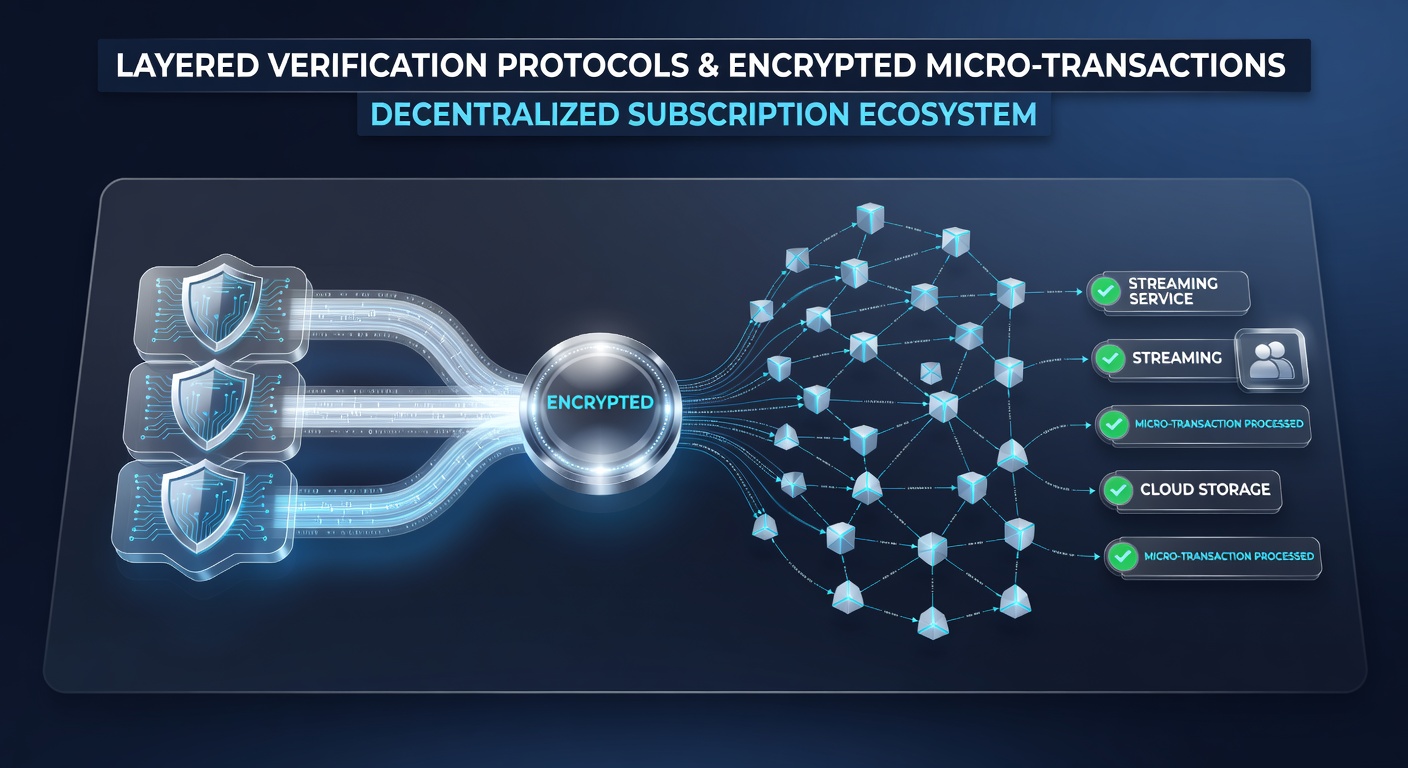
Decentralized platforms distribute control among network participants rather than a single operator, and layered verification protocols serve as the security backbone that makes recurring billing feasible in this environment. Smart contracts execute deductions automatically once verification clears each layer, which eliminates manual intervention and reduces disputes over unauthorized charges. Participants in these ecosystems benefit from transparent audit trails recorded on distributed ledgers, allowing independent review of transaction histories without compromising encryption.
Case examples include platforms in Latin America that handle micro-subscriptions for streaming services and cloud storage, where users authorize payments through mobile applications connected to peer-to-peer networks. Figures from regional trade associations show that these arrangements cut processing costs by up to 40 percent compared with traditional payment gateways, which encourages wider participation among small businesses and individual creators.
Regional Adoption Patterns and Supporting Data
Emerging digital economies present distinct challenges, including variable regulatory frameworks and diverse mobile device capabilities, yet layered protocols adapt through modular designs that accommodate local requirements. In June 2026, regulatory bodies in the European Union issued updated guidelines on cryptographic standards for cross-border digital payments, while similar discussions advanced in Australia and Canada around interoperability standards. These efforts facilitate smoother integration for platforms operating across multiple jurisdictions.
Studies conducted by university research teams highlight measurable improvements in transaction security when layered approaches replace single-point verification. One analysis of subscription renewal data across several African markets found that platforms using multi-stage encryption experienced fewer than 0.5 percent disputed charges, a figure that compares favorably with centralized alternatives. Observers point to partnerships between technology providers and local cooperatives as key drivers, since these collaborations ensure protocols align with actual usage patterns rather than imported assumptions.
Technical Challenges and Ongoing Refinements
Scalability remains a focus area because high volumes of micro-transactions can strain network resources if verification layers become too computationally intensive. Developers respond by optimizing consensus algorithms and incorporating lightweight cryptographic methods that maintain security without excessive energy demands. Evidence from field deployments suggests that hybrid models, blending on-chain and off-chain verification, offer practical solutions for maintaining performance during peak subscription periods.
Security audits conducted by independent research institutions continue to identify potential vulnerabilities in early implementations, prompting iterative updates to protocol standards. These refinements help sustain trust among users who depend on uninterrupted access to subscription services for daily operations, such as inventory tracking or content delivery in remote locations.
Future Outlook for Broader Implementation
Continued investment in infrastructure supports wider rollout of these verification systems, particularly as smartphone penetration rises and 5G networks extend into previously underserved areas. International organizations track progress through annual reports that document shifts in payment behaviors across emerging markets, providing benchmarks for policymakers and platform operators alike.
Conclusion
Layered verification protocols establish a foundation for encrypted micro-transactions that operate reliably within decentralized subscription platforms, and their application in emerging digital economies demonstrates measurable progress toward secure, accessible recurring payment options. As technical refinements and regional collaborations advance, the frameworks position themselves to handle growing transaction volumes while addressing the specific constraints of diverse markets. Data collected through June 2026 and beyond will continue to shape refinements that align security requirements with practical deployment needs.