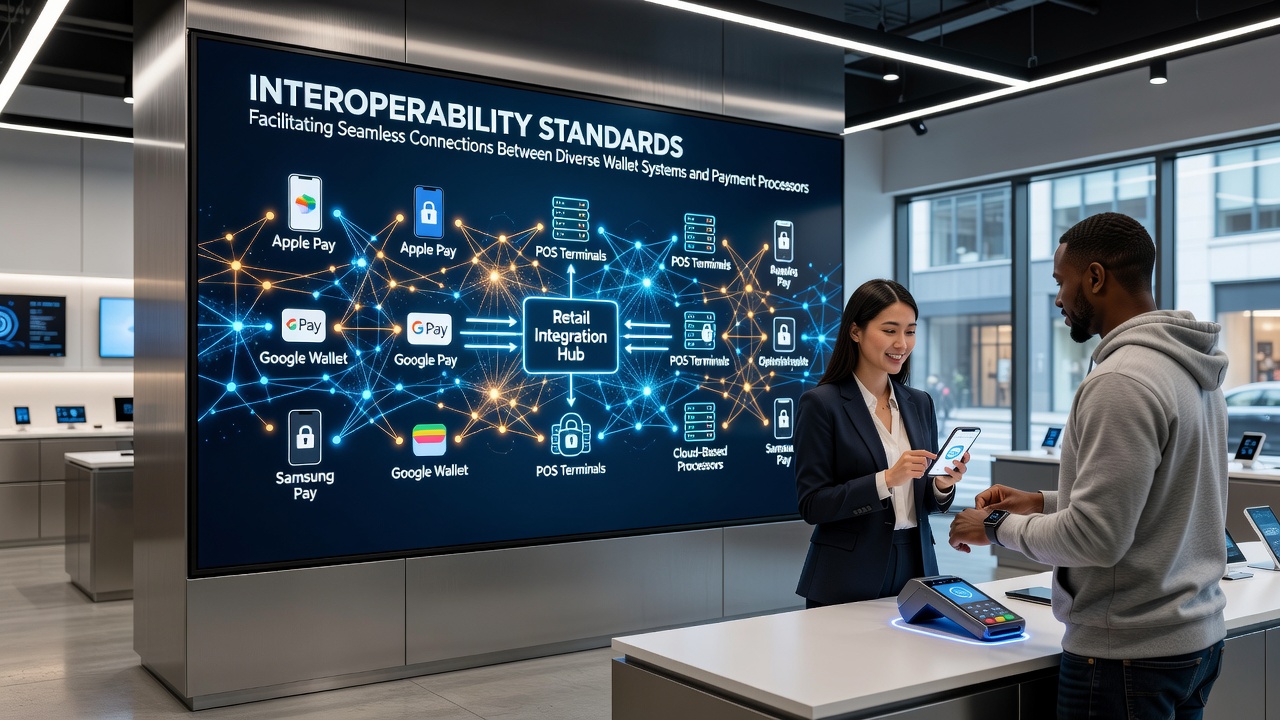
Interoperability Standards Facilitating Seamless Connections Between Diverse Wallet Systems and Payment Processors in Retail Settings
Retail environments rely on interoperability standards to link wallet applications from different providers with payment processors that handle authorization and settlement, and these frameworks define data formats, security protocols, and communication methods that allow transactions to proceed without custom integrations for each combination. Standards organizations develop specifications such as ISO 20022 for message exchange and EMV specifications for card and device interactions, while groups like EMVCo publish guidelines that payment networks adopt across regions.
Payment processors integrate these rules into their gateways so that a wallet using one operating system can transmit tokenized credentials to a processor operating under another infrastructure, and this setup reduces the need for merchants to maintain separate connections for each wallet brand. Data from industry reports indicate that standardized APIs and token service providers enable real-time validation steps where the wallet passes encrypted account references to the processor, which then routes requests through established rails without exposing primary account numbers.
Core Technical Frameworks in Use
ISO 8583 remains a foundational protocol for financial transaction messages even as newer systems transition toward ISO 20022, and processors map legacy fields to updated structures so that wallet-originated payments carry consistent details about amount, merchant identifier, and terminal capabilities. Tokenization standards from EMVCo specify how unique tokens replace card numbers within wallets, allowing processors to perform authorization while the original credentials stay with the token service provider, and this separation supports compliance requirements across multiple jurisdictions.
Retail systems also incorporate PCI DSS requirements that apply uniformly to data handling practices, and these rules require encryption during transmission between wallet software and processor endpoints regardless of the underlying platform. Observers note that open banking frameworks in various countries extend similar principles to account-linked wallets, where standardized consent and data-sharing mechanisms let processors access balance information or initiate transfers without direct access to banking credentials.
Implementation Patterns Across Retail Channels
Point-of-sale terminals equipped with near-field communication readers accept contactless requests from diverse wallets once the terminal software follows common kernel specifications published by EMVCo, and processors receive these requests through unified interfaces that normalize data from different wallet issuers. In online retail settings, web-based payment requests use browser APIs that adhere to W3C payment request standards, enabling processors to receive structured payment method data from any compliant wallet without custom code for each integration.
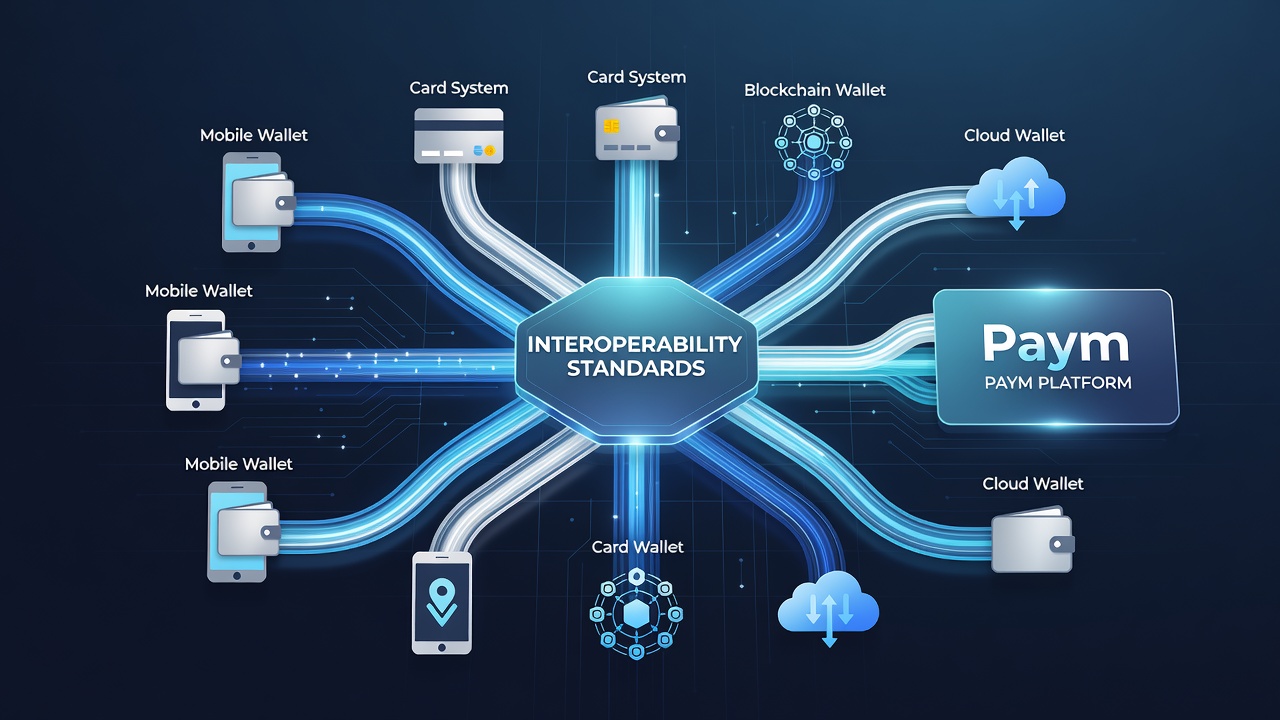
Merchants deploy middleware that translates between wallet-specific formats and processor-accepted messages, yet the core standards reduce the volume of translation required over time. Research indicates that adoption of these common protocols correlates with faster checkout completion rates because fewer declined transactions stem from format mismatches or unsupported data fields.
Regional Developments and Data Trends
As of August 2026, payment networks in North America continue expanding support for ISO 20022 messaging in wallet-to-processor flows, while European systems maintain alignment with the Single Euro Payments Area rules that emphasize standardized pain and pacs message types. Australian regulators have published updated guidance on digital payment interfaces that encourages wallet providers and processors to adopt consistent authentication flows, and Canadian frameworks similarly promote interoperability testing programs for new wallet entrants.
Figures from central bank reports reveal growth in transaction volumes processed through standardized channels, with processors reporting that a larger share of wallet payments arrive in formats that require minimal manual intervention. Industry organizations track error rates associated with non-standard implementations, and these metrics show reductions when participants align with published specifications rather than proprietary extensions.
Security and Compliance Considerations
Interoperability standards incorporate mutual authentication steps between wallet applications and processor systems, and these steps rely on certificate management protocols that prevent unauthorized endpoints from participating in transaction flows. Processors apply risk-scoring models that use data elements standardized across wallets, allowing consistent fraud detection regardless of the originating device or software.
Regulatory bodies in multiple regions require periodic audits of how standards are implemented, and these reviews focus on whether encryption, token lifecycle management, and message integrity checks meet defined benchmarks. Those who maintain compliance documentation demonstrate that standardized approaches simplify audit trails because transaction records follow predictable structures across different wallet and processor combinations.
Conclusion
Interoperability standards continue to shape how wallet systems exchange information with payment processors in retail environments by establishing common rules for data exchange, security, and message formatting. Processors and wallet providers reference the same specifications to reduce integration complexity, while merchants benefit from broader compatibility across customer payment choices. Ongoing updates to these standards reflect evolving technical capabilities and regulatory expectations, supporting consistent transaction processing across diverse retail channels.