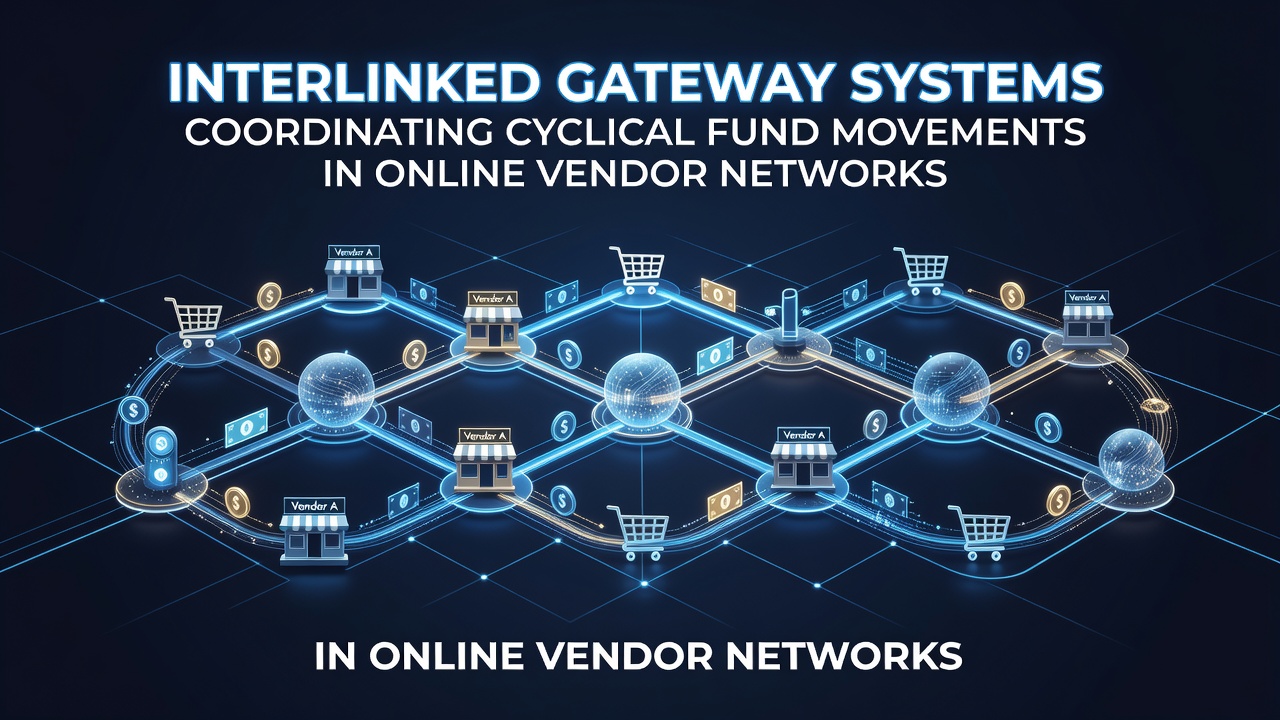
Interlinked Gateway Systems Coordinating Cyclical Fund Movements in Online Vendor Networks
Interlinked gateway systems have emerged as central mechanisms for managing recurring financial transfers among multiple online vendors, where each node connects to others through standardized protocols that route funds on fixed schedules. These setups handle everything from subscription renewals to inventory restocking payments, and observers note that the connections allow real-time reconciliation while reducing duplication across separate merchant accounts. Data from industry reports indicate that such coordination has grown steadily as e-commerce platforms expanded their vendor bases between 2023 and 2025.
Core Architecture of Linked Gateways
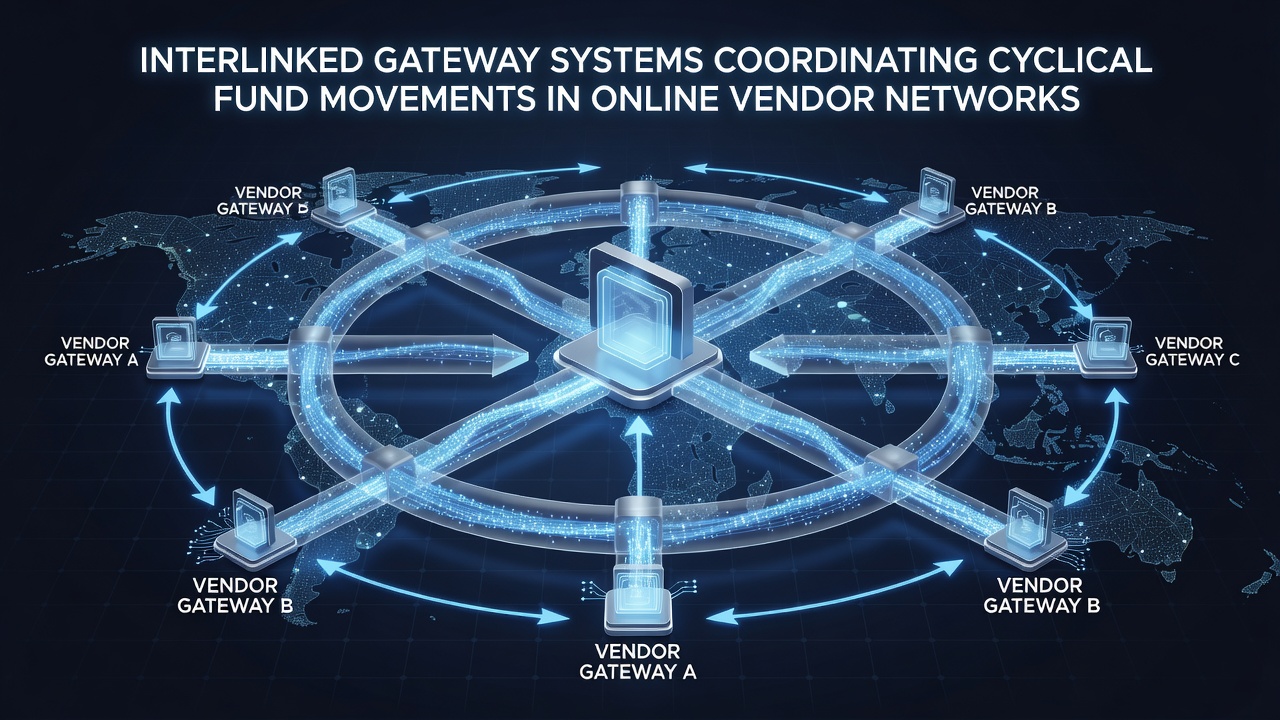
Each gateway operates as an entry point that authenticates transactions before passing them along encrypted channels to partner systems, and researchers have documented how API endpoints enable seamless handoffs when one vendor's payout cycle triggers another's incoming receipt. In practice this means a single authorization can cascade through several ledgers without requiring repeated customer interventions, which cuts processing steps. Those who've examined transaction logs find that error rates drop when gateways share validation data directly rather than relying on batch uploads at end of day.
Connectivity standards developed by payment networks specify message formats that carry details such as amount, frequency, and vendor identifiers, allowing downstream systems to apply the same rules automatically. As of June 2026 several major processors updated their specifications to include additional metadata fields for tax allocation and currency conversion timing, reflecting increased cross-border activity among vendor networks.
Coordination Across Vendor Ecosystems
Vendor networks rely on these interlinked systems to align cyclical movements so that supplier invoices clear before customer renewals post, and case studies from retail platforms show that synchronized timing prevents cash-flow gaps that once disrupted smaller participants. One documented example involved a marketplace where gateway rules automatically adjusted payout dates when upstream inventory payments were confirmed, keeping all parties within agreed settlement windows.
Observers note that scalability improves because each new vendor joins an existing mesh instead of establishing isolated connections, which reduces onboarding time from weeks to days in many implementations. Figures from the Bank for International Settlements reveal that interlinked arrangements now account for a growing share of recurring payment volume in developed markets, particularly where platforms aggregate thousands of independent sellers.
Security and Compliance Measures
Encryption protocols wrap data in transit while tokenization replaces sensitive account numbers at each hop, and compliance teams verify that every linked gateway meets regional data-protection requirements before activation. Regulatory bodies such as the European Central Bank have issued guidelines that require audit trails spanning the full chain of gateways, ensuring traceability when disputes arise over cyclical transfers.
Access controls limit which participants can initiate or modify routing rules, and monitoring dashboards flag anomalies such as unexpected volume spikes that might indicate misconfigured cycles. Those responsible for system maintenance report that automated reconciliation scripts now compare expected versus actual movements at multiple points, catching discrepancies before they affect downstream vendors.
Operational Benefits in Practice
Platforms using these systems experience fewer failed renewals because fallback routes activate when a primary gateway encounters temporary issues, and the same linkages support dynamic currency handling for vendors operating in multiple regions. Research from academic centers studying digital commerce indicates that coordinated fund movements correlate with higher retention rates among smaller sellers who previously managed separate payment relationships manually.
Integration with inventory management tools allows gateways to trigger payments only after delivery confirmation arrives, closing the loop between sales cycles and supplier settlements. This approach has been adopted across various sectors including digital goods marketplaces and subscription service aggregators, where timing precision directly affects cash availability for all parties involved.
Conclusion
Interlinked gateway systems continue to shape how cyclical fund movements occur within online vendor networks by providing structured pathways that connect otherwise separate processing points. Their design supports consistent timing, shared validation, and scalable expansion while meeting evolving regulatory expectations across different jurisdictions. As transaction volumes rise, these frameworks supply the coordination layer that keeps recurring payments aligned among multiple participants without requiring each vendor to maintain independent infrastructure.