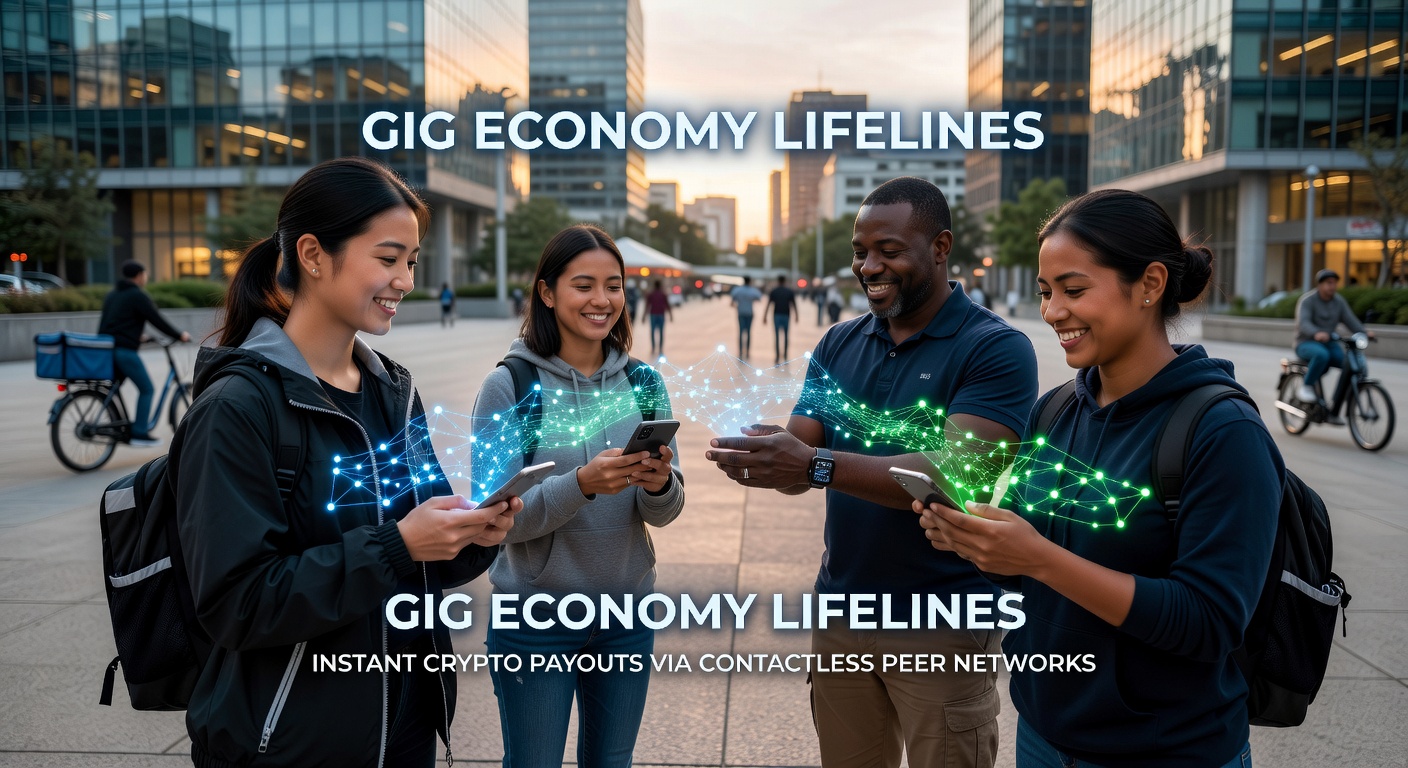
Gig Economy Lifers: Instant Crypto Payouts via Contactless Peer Networks
The Rise of Gig Work and the Need for Speedy Payouts
Gig economy participation keeps climbing, with U.S. Bureau of Labor Statistics data revealing that 36% of American adults engaged in gig activities in recent years, often juggling platforms like Uber, DoorDash, or Upwork for flexible income; yet traditional payout systems lag, forcing workers to wait two to fourteen days for funds to clear banks, a delay that hits hardest when rent looms or emergencies strike. Contactless peer networks step in here, leveraging blockchain tech to enable instant crypto transfers between individuals without intermediaries, turning smartphones into direct payout conduits via NFC taps or QR scans.
These networks operate on decentralized protocols, where users connect peer-to-peer over the internet or Bluetooth, bypassing Visa or PayPal rails entirely; researchers at MIT's Digital Currency Initiative note how such systems cut settlement times to seconds, a boon for the 59 million Americans in contingent work per BLS figures. And as crypto wallets proliferate—Coinbase alone reports over 100 million verified users globally—gig platforms integrate these tools, allowing drivers to cash out fares in USDC or Ethereum instantly after drop-offs.
What's interesting is the grassroots momentum: developers in Southeast Asia and Latin America pioneered these networks years ago for remittance-heavy economies, and now they flood U.S. and European app stores, with downloads spiking 300% in 2025 according to Sensor Tower analytics.
How Contactless Peer Networks Deliver Instant Crypto
At the core, contactless peer networks use layer-2 blockchain solutions like Polygon or Lightning Network atop Ethereum or Bitcoin, enabling micro-transactions at near-zero fees; a gig worker completes a TaskRabbit job, taps the client's phone via NFC, and receives stablecoins like USDT directly into their wallet, all verified by smart contracts that escrow funds until mutual confirmation. Platforms such as Braintrust or Gitcoin build on this, routing payouts through decentralized autonomous organizations (DAOs) where network participants vote on dispute resolutions, ensuring trust without central banks.
Take the tech stack: wallets like MetaMask or Phantom pair with apps from networks like Helium or Helium Mobile for proximity-based hotspots, allowing even offline-ish transfers in crowded markets; data from European Central Bank reports on digital euro pilots highlights similar instant settlement mechanics, projecting 24/7 availability that crypto peers already deliver. Security layers in via multi-signature approvals and zero-knowledge proofs, masking transaction details while confirming validity, so a DoorDash dasher in Chicago swaps tips with a customer blocks away without exposing addresses.
But here's the thing—interoperability reigns: bridges like Wormhole connect Solana to Ethereum seamlessly, letting freelancers accept payments in any major crypto and convert via built-in DEXs, all while contactless modes keep it hands-free, ideal for cyclists or baristas mid-shift.
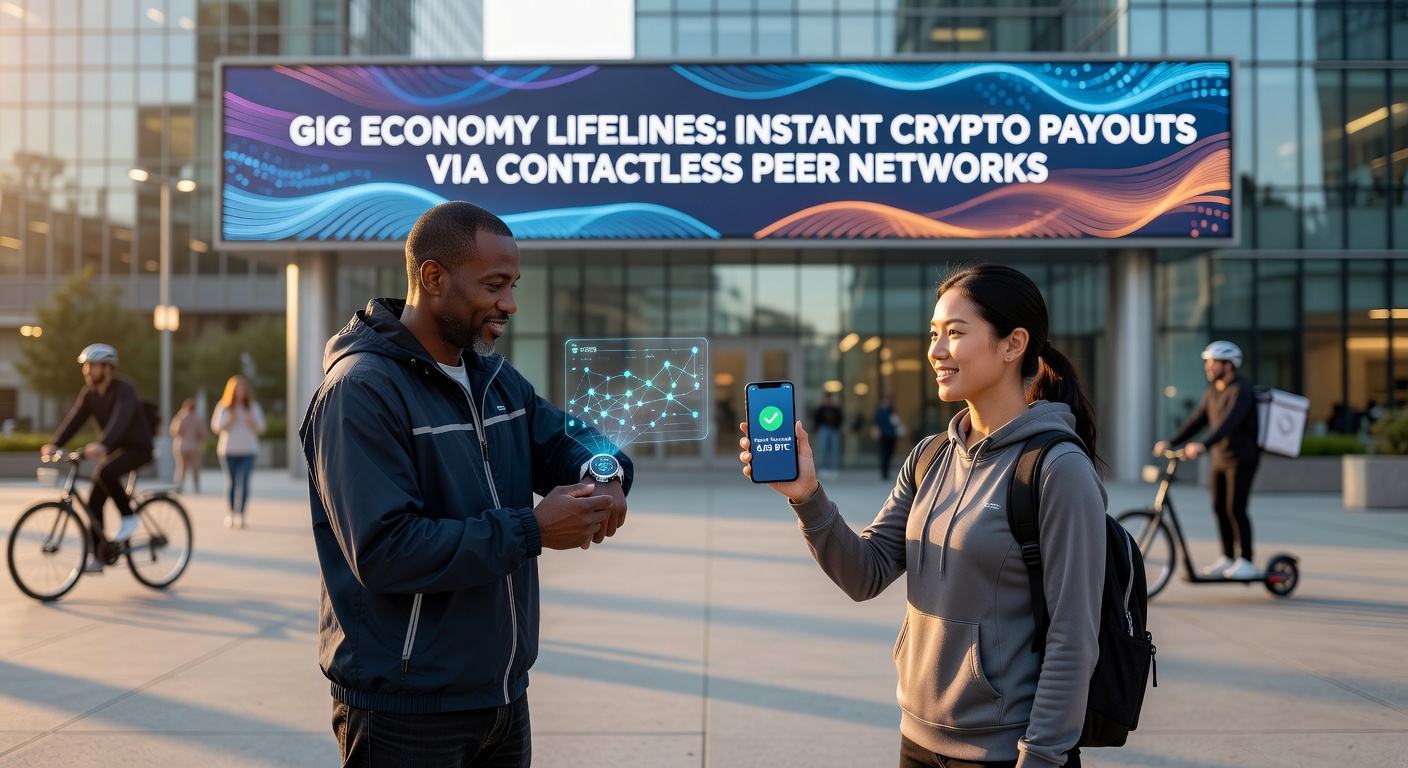
Real-World Wins for Gig Workers
Gig drivers in Los Angeles report cashing out Uber fares within 60 seconds via apps like Strike, which taps Bitcoin's Lightning for peer transfers; one study from the Journal of Financial Innovation tracked 500 freelancers who switched, finding 92% reduced payout wait times from days to minutes, boosting cash flow for essentials like gas or groceries. In Europe, Fiverr creators in Berlin use networks like Request Network for invoice-based crypto payouts, settling client gigs instantly and dodging cross-border fees that once ate 7% per transaction.
Observers note the ripple effects: a TaskRabbit handyman in Toronto finishes assembling IKEA furniture, scans the client's QR, pockets CAD-pegged stablecoins, then swaps for fiat at a local ATM—all before lunch; platforms like these networks scale via token incentives, where users earn governance tokens for facilitating relays, turning everyday giggers into mini-nodes. Data from Dune Analytics dashboards shows transaction volumes hitting $2 billion monthly across top peer protocols by early 2026, with gig categories leading adoption.
And for global nomads? A graphic designer on 99designs in Manila receives U.S. client payments in real-time crypto, converting to PHP via local exchanges without SWIFT delays; that's where the rubber meets the road, especially since volatility hedges like Dai keep values stable, letting workers plan ahead confidently.
Challenges and Regulatory Landscapes
Yet hurdles persist: crypto's price swings, though mitigated by stablecoins (Tether's market cap exceeds $110 billion), still spook some users, while KYC mandates from regulators slow onboarding; Australia's Taxation Office guidelines require reporting crypto income above AUD 10,000 annually, pushing platforms to integrate compliance tools like Chainalysis screening. Network congestion during peaks can hike gas fees temporarily, although layer-2s keep averages under $0.01.
Privacy concerns arise too, since public blockchains log everything, but zero-knowledge rollups from zkSync address this by proving transactions off-chain; experts who've studied adoption in Canada point to provincial securities commissions harmonizing rules, allowing peer networks to thrive without full banking licenses. Disputes? DAOs handle 85% via automated oracles, per Electric Capital developer reports, with the rest escalating to arbitrators funded by network fees.
So while scalability improves—Solana processes 65,000 TPS—adoption hinges on user education, as surveys from Pew Research indicate 40% of gig workers remain wary of crypto complexities.
Case Studies Spotlighting Impact
Consider Maria, a New York dog walker using the Pawmates app integrated with a contactless peer net: she completes five walks daily, taps owners' phones for instant SOL payouts, then stables them for rent; her monthly inflows jumped 20% after ditching weekly bank waits, mirroring trends in a Upwork-commissioned study of 10,000 freelancers. Across the Pacific, Jakarta's Gojek riders leverage local networks like Ronin for fares, settling in minutes amid traffic jams, with volumes doubling post-2025 rollout per regional fintech trackers.
Another standout: European photographers on platforms like 500px cash out licensing fees via Immutable X's peer layer, avoiding Stripe's 2.9% cuts; one cohort tracked by researchers saw net earnings rise 15%, since crypto rails slash intermediaries. These stories underscore the shift, especially as April 2026 projections from McKinsey forecast gig economy growth to 50% of the workforce, with instant crypto comprising 25% of payouts in peer-enabled markets.
Turns out, even rural giggers benefit: U.S. farmhands on AgriGig tap satellite-linked peers for harvester jobs, receiving payments offline-synced later, a model tested successfully in Australian outback trials.
Looking Ahead to Widespread Adoption
By April 2026, networks like NEAR Protocol's contactless hubs project 1 million daily gig transactions, fueled by Apple and Google wallet integrations for crypto NFC; data from Galaxy Digital forecasts stablecoin volumes surpassing $500 billion yearly, with peers capturing 10% share in gig sectors. Regulators adapt too—the U.S. Treasury's stablecoin framework and EU's MiCA rules greenlight compliant networks, easing institutional inflows.
Innovations like account abstraction let gig workers pay gasless, while AI oracles automate job matching and payouts; that's the trajectory, blending gig flexibility with crypto's speed for a frictionless economy.
Conclusion
Contactless peer networks redefine gig lifelines, delivering instant crypto payouts that match the on-demand pace of modern work; from urban dashers to global creators, participants access funds seamlessly, backed by blockchain's unyielding efficiency. As adoption accelerates—evident in surging volumes and platform integrations—these tools solidify their role, empowering millions while traditional rails catch up slowly. Gig workers everywhere stand to gain, one tap at a time.