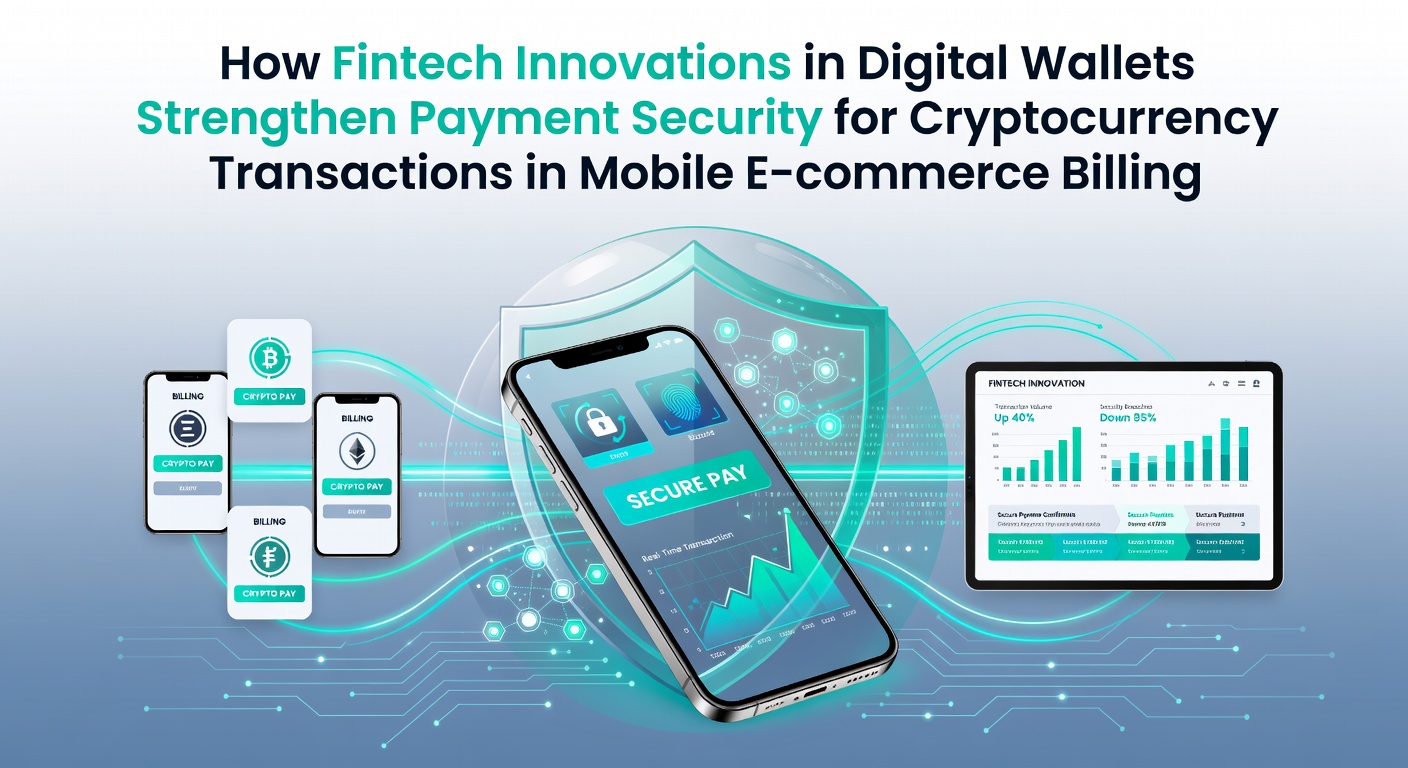
Fintech Advances in Digital Wallets Bolster Crypto Payment Protections in Mobile Commerce Billing
Digital wallets have incorporated layered authentication protocols and encryption standards that address vulnerabilities in cryptocurrency transfers during mobile e-commerce billing cycles, and these developments gained momentum through 2025 into June 2026 as transaction volumes expanded across retail platforms. Researchers tracking payment ecosystems note that wallet providers now embed real-time verification mechanisms which cross-check wallet addresses against known threat databases before authorizing crypto outflows, and this integration reduces exposure to unauthorized deductions in subscription-based mobile purchases.
Core Security Features Driving Wallet Evolution
Biometric verification combined with hardware-backed key storage forms a foundation in many wallet applications, where fingerprint or facial recognition triggers transaction approval while private keys remain isolated from the device operating system. Studies from academic institutions in Canada highlight that such hardware isolation prevents key extraction even when mobile devices encounter malware attempts, and wallet software updates in early 2026 rolled out automatic firmware checks that flag outdated security patches before crypto billing initiates. Multi-signature requirements add another barrier, mandating approval from multiple linked devices or trusted contacts for larger e-commerce payments, which limits single-point failures during recurring charges.
Zero-knowledge proof implementations allow wallets to confirm sufficient crypto balances without revealing full transaction histories to billing servers, and this approach supports privacy while satisfying merchant verification needs in mobile checkout flows. Data compiled by the European Central Bank through mid-2026 shows increased adoption of these proofs in consumer wallets, correlating with lower incidence of address-reuse exploits that previously enabled pattern-based attacks on subscription renewals.
Integration with Mobile E-commerce Billing Systems
Wallet applications now interface directly with merchant APIs through tokenized connections that expire after each billing event, and this tokenization replaces static wallet addresses with one-time codes that cannot be replayed in subsequent transactions. Observers at research institutions in Australia documented how these tokens integrate with billing schedulers to enforce spending limits per merchant category, which curtails overcharges or fraudulent escalations in mobile app ecosystems. Real-time monitoring dashboards within wallets alert users to unusual billing patterns, such as sudden spikes in crypto deductions, while automated pausing functions halt pending transactions until manual review occurs.
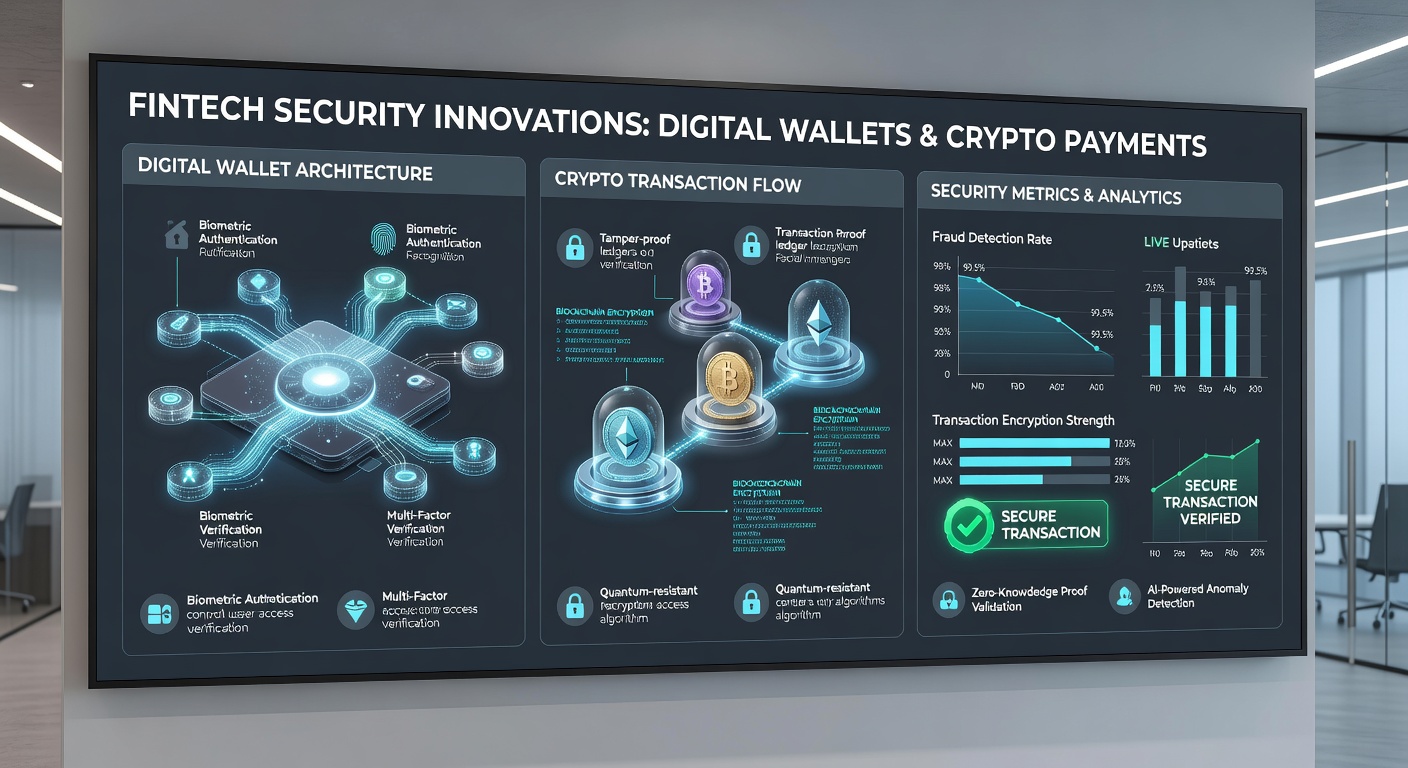
Encryption protocols upgraded to post-quantum standards appear in select wallet releases by June 2026, protecting against future computational threats to elliptic curve cryptography commonly used in cryptocurrency networks. These upgrades occur alongside compatibility layers that maintain seamless connections to existing blockchain nodes, ensuring billing processes continue uninterrupted while security parameters strengthen. Payment processors report that wallets equipped with these features process mobile e-commerce crypto transactions at rates comparable to traditional methods, yet with added audit trails that log each verification step for compliance reviews.
Regulatory and Industry Data Points
Regulatory bodies across regions have issued guidelines encouraging wallet developers to adopt standardized security benchmarks, and a European Central Bank analysis from June 2026 outlines metrics for evaluating wallet resilience against crypto-specific billing fraud. In parallel, a report issued by the US Department of the Treasury tracks how wallet innovations align with anti-money laundering requirements during mobile commerce interactions, providing data on verification success rates that exceed prior thresholds. Industry groups such as the Blockchain Association compile case examples where wallet-level controls prevented unauthorized crypto outflows tied to compromised merchant billing systems.
Those examining transaction logs note that wallets incorporating behavioral analytics detect deviations from established user patterns during crypto payments, triggering additional challenges like one-time passcodes sent to secondary devices. This layered response integrates with e-commerce platforms to maintain billing continuity for legitimate users while isolating suspicious activity, and figures from Canadian regulatory filings indicate measurable declines in disputed crypto charges following widespread rollout of such analytics.
Conclusion
Wallet innovations continue to refine security architectures that support secure cryptocurrency handling within mobile e-commerce billing environments, with developments through June 2026 reflecting ongoing adaptation to emerging threat vectors. Data from multiple oversight organizations demonstrates measurable impacts on transaction integrity when these features operate in combination, and further refinements appear likely as mobile platforms evolve their integration points with digital wallet providers.