Cross-Border Ledger Synchronization in Digital Wallet Networks for Crypto-Enabled Recurring E-commerce Charges
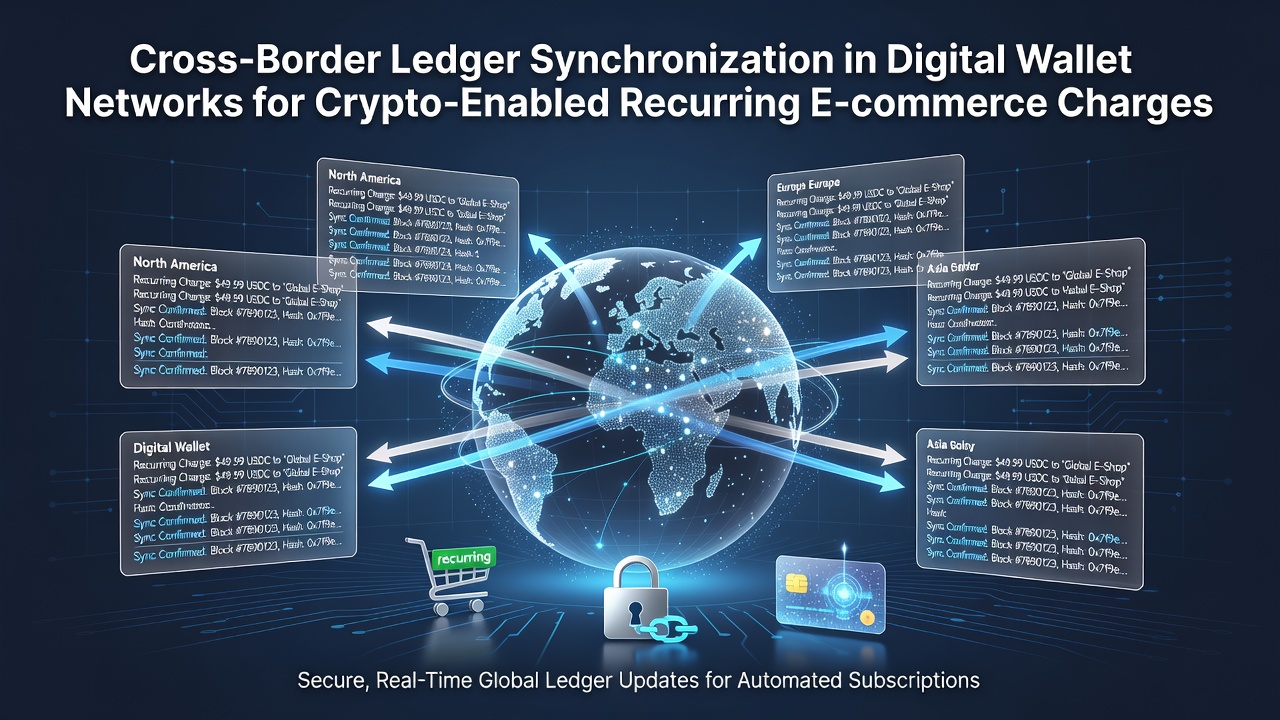
Cross-border ledger synchronization allows digital wallet networks to maintain consistent records when handling crypto-enabled recurring charges in e-commerce settings, and this process connects multiple blockchain nodes so that transaction histories remain accurate despite differing regulatory environments and time zones. Networks achieve this through consensus protocols that validate entries in real time while accounting for currency fluctuations and compliance requirements in various jurisdictions.
Core Mechanisms Behind Ledger Alignment
Distributed nodes exchange encrypted data packets that confirm payment authorizations for subscription models, and these exchanges rely on cryptographic hashes to prevent discrepancies between ledgers located in separate countries. When a recurring charge processes in one region the synchronization layer updates partner wallets elsewhere within seconds, which reduces disputes over failed or duplicated deductions. Research from academic institutions shows that such alignment cuts reconciliation times by integrating smart contracts that trigger automatic validations based on predefined schedules.
Observers note that protocols often incorporate atomic swaps to handle multi-currency conversions without introducing settlement delays, and this approach proves essential for platforms serving global customers who select crypto as their payment method for monthly or quarterly renewals. Data indicates that by June 2026 several major networks had expanded these features to accommodate emerging stablecoin variants used in cross-border retail flows.
Integration with Recurring E-commerce Workflows
E-commerce platforms embed wallet APIs that initiate periodic debits, after which the synchronization framework propagates confirmation details across borders to ensure each merchant receives verified funds. This setup supports merchants who operate stores in multiple markets yet rely on a single crypto ledger for accounting purposes, and it maintains audit trails that satisfy reporting standards from bodies such as the European Central Bank. Those who manage subscription services find that synchronized records help track chargebacks more efficiently because every node holds an identical view of completed transactions.
Regulatory and Technical Considerations Across Regions
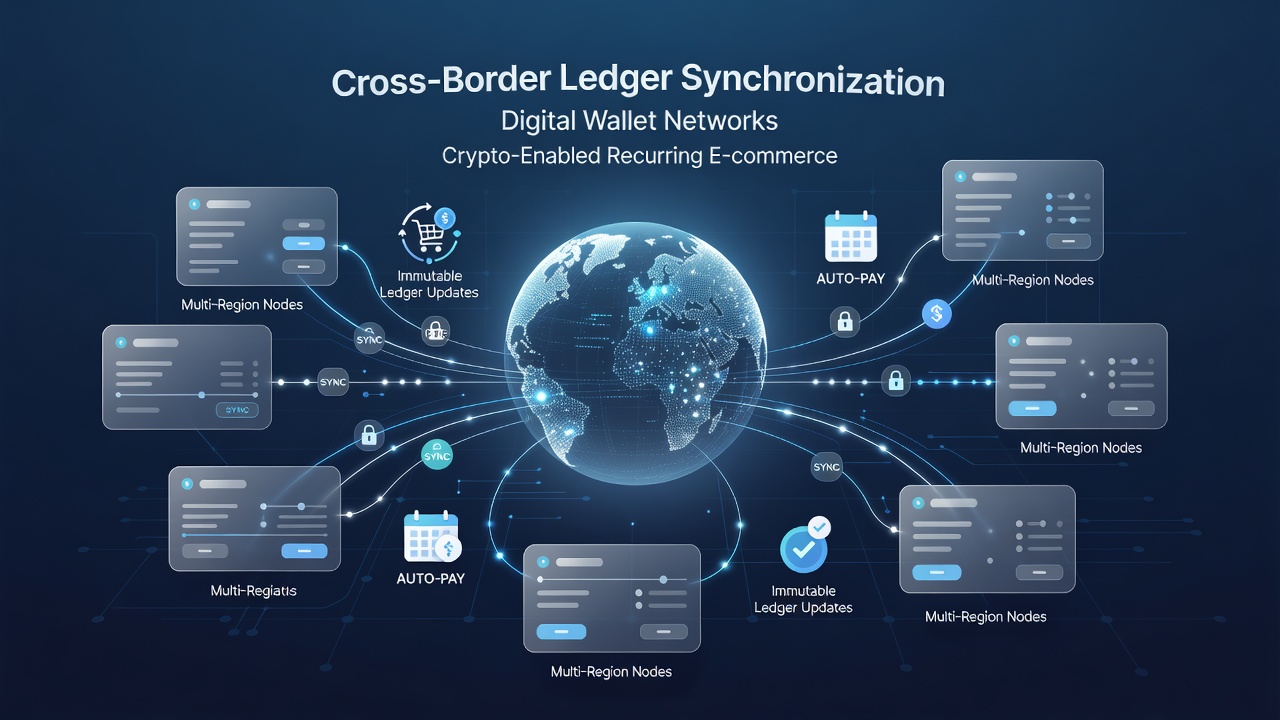
Authorities in different areas impose varying rules on data residency and transaction reporting, which means synchronization systems must route information through compliant channels while preserving privacy through zero-knowledge proofs. A report issued by the Bank of Canada outlines how these requirements influence node placement strategies for networks handling recurring payments, and similar guidance appears in documents from the Monetary Authority of Singapore. Operators adjust consensus thresholds accordingly so that ledgers remain synchronized without violating local statutes on financial data transfers.
Technical implementations often layer additional verification steps that check for double-spending risks before finalizing each recurring entry, and this becomes especially relevant when payments cross into regions with distinct tax treatments for cryptocurrency holdings. Figures reveal that networks employing these layered checks process higher volumes of international subscriptions with fewer interruptions compared to unsynchronized alternatives.
Case Examples from Retail Platforms
One subscription service provider integrated cross-border synchronization into its digital wallet infrastructure to manage crypto charges for customers across North America and Asia, resulting in unified records that updated simultaneously on all participating nodes. Another platform handling recurring digital goods sales adopted similar technology after noting inconsistencies in prior ledger states, and observers documented how the change improved settlement accuracy during peak renewal periods. These examples illustrate the practical application of the synchronization process within live e-commerce environments where crypto payments form part of ongoing billing cycles.
Conclusion
Cross-border ledger synchronization continues to evolve as digital wallet networks refine their approaches to crypto-enabled recurring charges, and the combination of consensus mechanisms with regulatory awareness supports reliable operations across international e-commerce channels. Continued adoption depends on further alignment between technical standards and oversight frameworks from multiple regions, which shapes how platforms manage periodic deductions while maintaining consistent records for all participants involved.